Office Christmas Party Planning: The Ultimate Guide




Planning an office Christmas party is much easier when you make the big decisions in the right order. Start with the guest count, budget per person, party format, date and event time. Then book the space, food, drinks and entertainment around that brief.
For most teams, a 10 to 12-week timeline gives you enough room to compare venues and suppliers without letting the planning take over your working week. Starting later? Keep the same order, shorten the gaps and make decisions quickly.
- What should you decide before planning an office Christmas party?
- When should you start planning the office Christmas party?
- 10 to 12 weeks before: set the brief and shortlist dates
- 8 to 10 weeks before: choose and book the venue
- 6 to 8 weeks before: book food, drinks, entertainment and activities
- 4 to 6 weeks before: send invitations and collect guest details
- 1 week before: check every promise
- On the day: arrive early and follow the run sheet
- 1 to 3 days after: close the event properly
- How do you set an office Christmas party budget per person?
- Which Christmas party activity suits your team and venue?
- What do different Tagvenue venue types make possible?
- What is the best time for an office Christmas party?
- How should you plan food and drinks for your office party?
- Final office Christmas party checklist
- Make the season bright, without making planning your full-time job
- FAQ
What should you decide before planning an office Christmas party?
Agree the party brief before you browse venues or build a festive mood board. These six choices will shape almost every cost and supplier decision:
- Total number of guests: Decide whether the invitation includes employees only, plus-ones, clients, sponsors or suppliers.
- Budget per person: Set a working range, such as $20, $50 or $100+ per guest, in your local currency.
- Onsite or external: Choose between using the office and booking a restaurant, bar, activity venue or event space.
- Event time: Pick a brunch, lunch, late-afternoon mixer or evening party.
- Food and drinks: Decide whether the event needs a full meal, buffet, canapes, snacks, a hosted bar or drink vouchers.
- Team activity style: Choose something highly active, low-key, creative or collaborative, based on what your colleagues actually enjoy.
👉Pro tip: Write the brief in one sentence. For example: “ We want a relaxed, external Christmas lunch for 45 employees, with a $50-per-person working budget, inclusive food and non-alcoholic options, and one collaborative activity.” That sentence gives venue managers enough context to respond usefully.
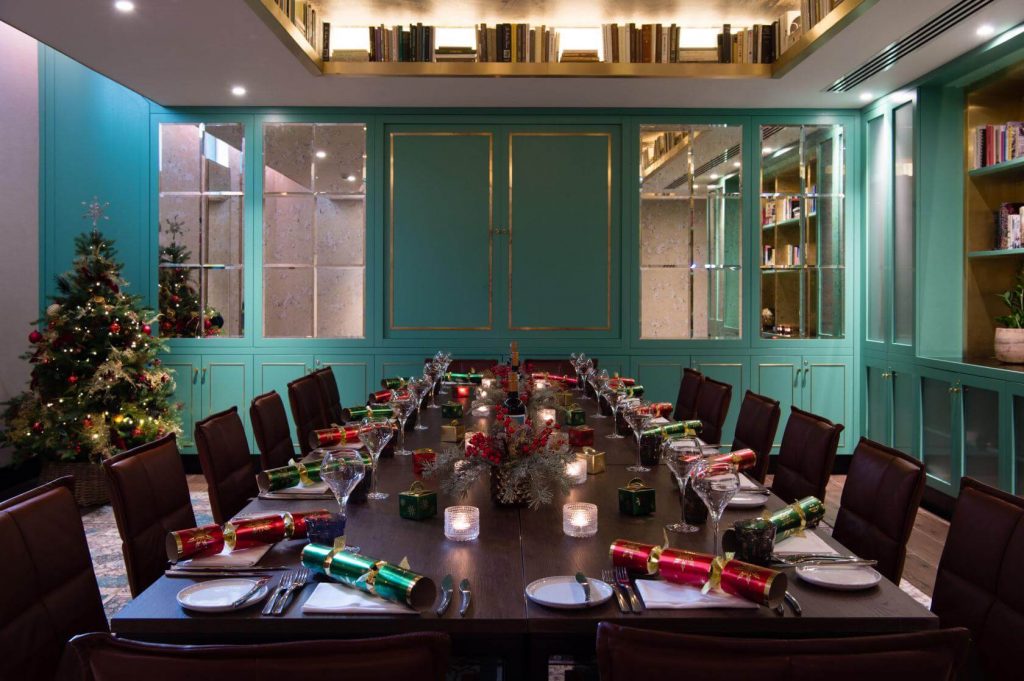
Federico Roccatagliata, Head of Marketplace Operations and an in-house specialist at Tagvenue, endorses this advice:
What I found out after conducting my research on Christmas party venues, was that early planning actually makes a significant difference when it comes to the end result – in this case, the party itself. Our data confirm that all the most popular venues are booked by the end of the first half of September, so starting to look for a Christmas party space months ahead is your best bet to hire your desired venue.
Federico Roccatagliata, Head of Marketplace Operations at Tagvenue
When should you start planning the office Christmas party?
Start around 10 to 12 weeks before the event if you can. Larger parties, popular dates and events with several suppliers may need more lead time, while a small office lunch can often be arranged faster. You can find more about planning an event in our guide: When Should You Book Your Christmas Party Venue in London? Although it talks mostly about London venues, the principles apply anywhere.
10 to 12 weeks before: set the brief and shortlist dates
This is the week to make the decisions that keep the rest of the planning on track.
- Confirm the total budget and calculate a working budget per person.
- Estimate the guest count and decide who is invited.
- Poll the team on two or three dates, if needed.
- Choose an onsite or external format.
- Select the event time and approximate duration.
- Ask what activity style the group prefers: active, low-key, creative or collaborative.
- Assign one organiser and a backup decision-maker.
Send a save-the-date once the date is agreed, even if the finer details are still wrapped up with a bow.
8 to 10 weeks before: choose and book the venue
Book the space once the date, guest count and budget are clear. Compare a small number of suitable options using the same criteria on Tagvenue, rather than collecting a long list of venues that do not fit the brief. You can use the favourites to list your top choices, then decide between them.
Check:
- seated and standing capacity for your preferred layout
- venue hire, minimum spend, per-person packages and what each price includes
- deposit, payment, cancellation and final-headcount terms
- catering, external supplier and bring-your-own-drink rules
- accessibility, toilets, cloakroom, parking and public transport
- setup, supplier access, sound limits, alcohol licence and finish time
- included furniture, AV, microphones, lighting, cleaning and security
- time allowed for setup and de-rig after the party
👉Pro tip: Ask the venue manager to quote for the same guest number and schedule so you can compare like with like. If an external venue stretches the budget too far, consider a shared Christmas party, a semi-private restaurant area or an onsite celebration. There are plenty of options on Tagvenue for you to choose from.
6 to 8 weeks before: book food, drinks, entertainment and activities
Choose the experience as one connected plan. A seated dinner needs a different pace from a karaoke night, creative workshop or standing cocktail reception.
- Select in-house catering or an external caterer where the venue allows it.
- Choose the service style: brunch, plated meal, buffet, bowl food, canapes or food stations.
- Decide how drinks will be managed: hosted bar, capped tab, vouchers, pre-ordered table drinks or a cash bar.
- Include appealing alcohol-free drinks as part of the main menu.
- Book the DJ, band, host, instructor, photographer or other suppliers.
- Confirm the activity’s space, equipment, power, sound and setup needs.
- Keep speeches and formal moments short enough to protect the party’s flow.
👉Pro tip: Build the food, drinks and entertainment into the budget now. Leaving one of them until later is a quick route to an unwelcome January invoice.
4 to 6 weeks before: send invitations and collect guest details
Send a clear invitation with a firm RSVP deadline. Guests should be able to understand the plan without chasing the organiser.
Include:
- the date, start time and finish time;
- venue name and full address;
- dress code or theme, if there is one;
- transport, parking and accessibility information;
- whether plus-ones are invited;
- what food and drinks are included;
- a contact for questions.
👉Pro tip: Collect dietary requirements, allergies and accessibility needs with the RSVP. Share relevant information securely with the venue or caterer and confirm how serious allergies will be handled.
2 to 3 weeks before: confirm numbers and build the run sheet
Turn the plan into a timed schedule for the organiser, venue and suppliers. Confirm the final or near-final headcount, menu, drinks arrangement, activity numbers, room layout, transport and supplier arrival times.
Your organiser’s run sheet should include:
- setup and venue access times;
- supplier names, phone numbers and delivery details;
- guest arrival, food service and bar times;
- activity, entertainment, speech and award timings;
- last orders, music finish and guest departure;
- cleanup and de-rig responsibilities;
- the venue manager and organiser’s contact details.
👉Pro tip: Keep personal guest data out of widely shared versions. Suppliers only need the information required to deliver their part of the event.
1 week before: check every promise
Use the final week to confirm, not reinvent, the party.
- Give the venue and caterer the final headcount by their deadline.
- Reconfirm allergies, dietary requirements and accessible arrangements.
- Check invoices, balances, deposits and emergency contacts.
- Test presentations, playlists, microphones and activity equipment.
- Send guests a short reminder with the key time and travel details.
- Prepare name cards, vouchers, prizes, signage or decorations.
- Assign someone to cover the organiser during breaks or emergencies.
On the day: arrive early and follow the run sheet
Arrive before suppliers and guests, allowing enough time to inspect the room and solve small issues calmly. Introduce yourself to the venue team, check the layout and AV, review responsibilities and confirm the first service time.
Once guests arrive, keep an eye on the schedule without turning into the office timekeeper. The run sheet is there to protect the experience, not squeeze every last drop of spontaneity out of it.
1 to 3 days after: close the event properly
Check for damage or missing equipment, settle outstanding invoices and record the final spend. Share approved photos, thank the people who helped and send a short feedback form. Note what worked while the details are still fresh; next year’s organiser will thank you and so will your staff.
How do you set an office Christmas party budget per person?
Divide the available budget by the realistic guest count, then keep a contingency for late changes. Your per-person figure should cover more than food: include venue costs, drinks, entertainment, transport, decorations, service charges, taxes and supplier fees where relevant.
The figures below are planning examples, not market price quotes. Use the same method in your local currency and request current venue quotes.
| Working budget | 20 guests | 50 guests | 100 guests | A sensible starting format |
|---|---|---|---|---|
| $20 per person | $400 | $1,000 | $2,000 | Onsite brunch, snacks or a simple catered social with a DIY quiz or craft |
| $50 per person | $1,000 | $2,500 | $5,000 | Onsite catered mixer or a casual external meal with controlled drinks and light entertainment |
| $100+ per person | $2,000+ | $5,000+ | $10,000+ | Private dining, an activity venue or a fuller evening package with food, drinks and entertainment |
Protect part of the total as contingency before dividing the rest between the main categories. Then spend according to what matters most to the team. A food-focused group may prefer a better menu over elaborate decor; a lively group may value a DJ or activity more than a formal dinner.
Which Christmas party activity suits your team and venue?
Choose one activity style that fits the group’s energy, the available time and the venue. The best activity is inclusive, easy to explain and optional enough that quieter guests can still enjoy the event.
- Highly active: Bowling, indoor games, dance classes or team challenges suit activity venues and larger open spaces. Allow time for instructions, changing and travel.
- Low-key: A festive quiz, karaoke, tasting or private dinner works well in bars, restaurants and private rooms. These formats leave room for conversation.
- Creative: Gingerbread decorating, wreath making, painting or a cooking class suits studios, kitchens and flexible workshop spaces. Check surfaces, cleanup and equipment.
- Collaborative: A charity packing activity, team cook-off, game show or shared challenge works in community halls, kitchens and adaptable event spaces. Plan group sizes and facilitation in advance.
🧑🎄 You might like:
- Mingle All the Way: 19 Unique Christmas Party Ideas for Large Groups
- 15 Christmas Party Themes to Spread the Holiday Magic in 2026
- Making Merry Memories: 14 Small Office Christmas Party Ideas to Remember
- Top 9 Office Christmas Party Ideas for 2026
What do different Tagvenue venue types make possible?
These current Tagvenue Christmas spots show how the activity should follow the space, not the other way around. Capacities and venue details can change, so check the information on the venue page and confirm the plan with the venue manager before booking.
- Creative and collaborative: Event Space at Prime Kitchen in Midtown Loft in New York is listed for up to 30 guests and has a fully equipped kitchen. It suits a cooking class or small team cook-off, with time afterwards to eat together. Discover other NYC holiday spots here.
- Low-key: Private Dining/Meeting Room at SAMA Bankside in London is listed for up to 30 standing guests. A private festive meal, tasting or table quiz would fit its intimate restaurant-and-bar setting; confirm the seated layout directly with the venue. Discover other London Christmas spots here.
- Creative: Full Space at The Creativity Campus in Toronto is listed for up to 31 seated or 50 standing guests, with modular furniture and workshop facilities. It lends itself to a facilitated craft, team challenge or charity packing session with catering brought in. Discover the hottest Christmas spots in Toronto here.
- Very chilled: The Bar & Courtyard at The Royal Exchange of Sydney is listed for up to 30 seated or 50 standing guests. Its bar and open-air courtyard suit a relaxed cocktail-style celebration with canapes and a simple social activity. Discover other Sydney Christmas spots here.
For any venue, confirm accessibility, wet-weather arrangements, catering permissions, sound limits, alcohol rules and the exact layout capacity for your event.
What is the best time for an office Christmas party?
The best time is the slot your team can attend comfortably and that supports the planned food, drinks and activity. A shorter daytime event can be inclusive and focused; a longer evening event allows dinner, speeches, entertainment and dancing.
🥐Morning festive brunch: 9:30 am to 11:30 am
A brunch works well for an onsite party, restaurant breakfast or creative activity. It protects the evening for personal plans and suits a lower-key, alcohol-light celebration. Keep the programme simple: welcome, food, one activity and a short thank-you.
🍷Weekday Christmas lunch: 12:00 pm to 3:00 pm
A lunch is a good fit for private dining, a buffet or a team workshop followed by food. It can sit within the working day, but you should make the expectation about returning to work clear and plan alcohol service accordingly.
🍽️Late-afternoon mixer: 3:30 pm to 6:30 pm
An after-work mixer suits canapes, drink vouchers, quizzes, karaoke or a collaborative activity. It avoids a very late finish, but guests may arrive at different times, so do not put the main activity in the first 15 minutes.
💃Evening Christmas party: 7:00 pm to midnight
An evening event supports a fuller meal, speeches, awards, a DJ or live entertainment. Check transport, last orders, music limits and the venue’s departure time before confirming the invitation.
How should you plan food and drinks for your office party?
Match the menu to the event time, length and activity. Guests need enough food for the amount of alcohol served, and everyone should have appealing options that meet their dietary needs.
- Brunch or lunch: Breakfast dishes, sharing plates, a buffet or a set menu keep service straightforward.
- Standing mixer: Canapes, bowl food or food stations are easier to eat while mingling than a meal that needs a knife and fork.
- Formal evening: A plated menu creates structure but needs accurate timings and dietary information.
- Active event: Serve food after the main activity or allow enough time to digest before it begins.
👉Pro tip: Control drink spend with a capped tab, fixed vouchers, a limited hosted menu or pre-ordered table drinks. Include water and alcohol-free choices throughout, and tell guests what the company is covering. Ask the venue how it manages responsible service and what happens when the hosted allowance ends.
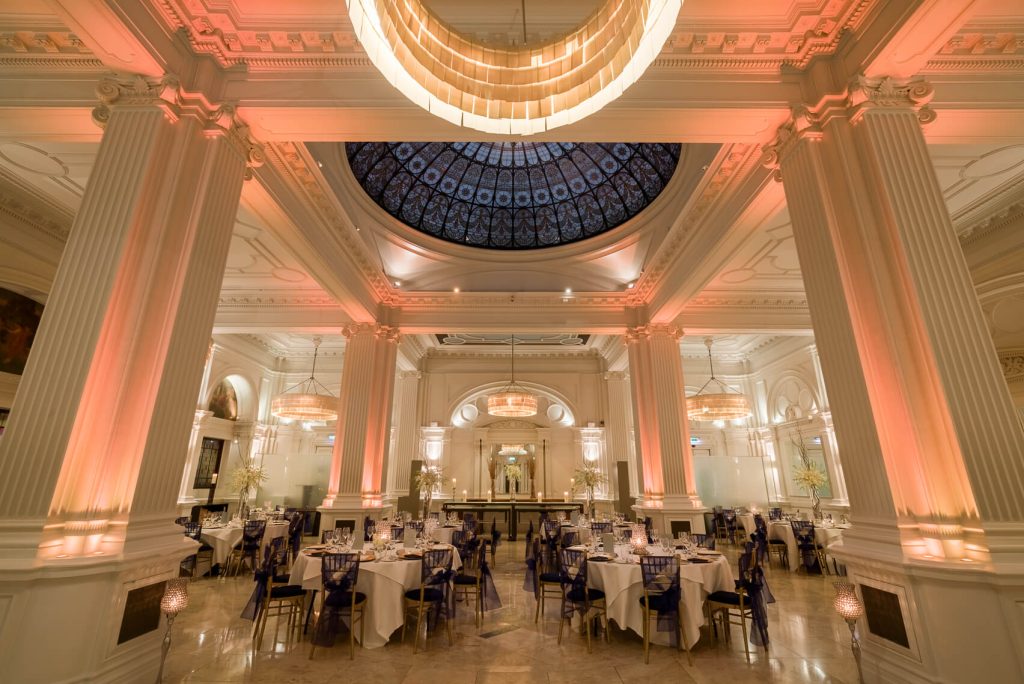
What should the event-day schedule include?
A good schedule gives food, activities and conversation enough room to breathe. This sample three-hour mixer can be adapted to an onsite or external party:
| Time | What happens |
|---|---|
| 3:00 pm | Organiser and suppliers arrive; room, AV, catering and safety check |
| 3:30 pm | Guest arrival, welcome drink and background music |
| 4:00 pm | Food service opens |
| 4:30 pm | Main activity or entertainment begins |
| 5:20 pm | Short speech, thanks or awards |
| 5:35 pm | Dessert, photos and informal social time |
| 6:15 pm | Last call and transport reminder |
| 6:30 pm | Guest departure; cleanup and de-rig begin |
👉Pro tip: For a longer evening party, add a seated meal, more social time and dancing. Keep speeches away from food service and tell every supplier when they can access the space, when they are live and when they must leave.
What to Expect in The Aftermath of The Event
After the party is over
- List item
- List item
- List item
- List item
Depending on the size of your party, you can either clean up yourself or hire a cleaning service to do your dirty work. Some venues offer cleaning services, so it might also depend on your agreement with the venue manager.
Make sure all the technical equipment is in place, and nothing in the venue is broken or damaged. Check if all the invoices are accounted for and paid. Determine if anything is left from your budget that should be returned to your company fund.
On a less technical note, create a feedback form and send it to everyone who participated. Receiving feedback will help you know what to improve and help make the event even better organised next time around. It also gives your guests space to share what they truly enjoyed and thank you for organising the event, which is also important to hear and makes all the stress worth it.
After you receive the pictures from the photographer, you can either upload them on Google Drive or Dropbox, which will make it easy for everyone to access them independently. Maybe there will be one or a few that could be used to decorate your office space!
Is an onsite or external office Christmas party better?
An onsite party usually gives you more control over the format and can reduce venue spend. An external venue gives the event a stronger sense of occasion and may bundle staffing, catering, cleaning, furniture and entertainment.
Choose an onsite party when:
- the office has enough safe, accessible space for the guest count;
- the team wants a brunch, lunch or after-work mixer;
- you are happy to coordinate catering, furniture, cleaning and entertainment;
- building rules allow the planned music, alcohol, decorations and finish time.
Choose an external venue when:
- the office cannot comfortably hold the group;
- the activity needs specialist equipment or a dedicated setting;
- you want a seated dinner, private bar, dance floor or all-in-one package;
- you need venue staff to handle setup, service, security or cleanup.
👉Pro tip: For larger groups, an external event space or shared party package can simplify delivery. For a small team, a private dining room or activity venue often feels special without requiring a full-scale production.
Final office Christmas party checklist
Before you put on the festive playlist, make sure the essentials are covered:
- The guest count, budget per person and total budget agree.
- The venue or office is safe, accessible and suitable for the chosen layout.
- Food, drinks and entertainment fit the event time and duration.
- Dietary requirements, allergies and alcohol-free options are confirmed.
- The activity suits the group size, energy level and venue type.
- Guests know the date, address, start and finish times, dress code and travel plan.
- The organiser, venue and suppliers have the same run sheet.
- Setup, cleanup, security, transport and de-rig responsibilities are assigned.
- A contingency remains for genuine last-minute changes.
Make the season bright, without making planning your full-time job
The secret to a memorable office Christmas party is not adding more glitter to the checklist. It is making the right decisions early, then giving each supplier and guest clear information at the right time.
Once you know your guest count, budget per person, location, activity style and event time, you can compare suitable Christmas party venues on Tagvenue and contact venue managers with a useful brief. Then all that is left is to check the list twice and enjoy the party.
FAQ
How do you plan a fun office Christmas party?
Planning a fun office Christmas party starts with understanding your team’s interests and the kind of celebration they would enjoy. A good start would be to send out a survey to gauge preferences – perhaps they’d prefer a themed party or a cosy gathering with Secret Santa gifts?
Next, select an appropriate venue and set a budget. Make sure there are plenty of festive decorations to spread the Christmas cheer! Organising entertaining activities, like a Christmas jumper contest or a festive quiz, is another way to get everyone engaged and in high spirits. Lastly, ensure there’s a variety of delicious food and drink options to suit everyone’s tastes. Remember, the more involved your team feels in the planning, the more fun they are likely to have!
How can I make my office Christmas party fun?
Infusing fun into your office Christmas party doesn’t necessarily require pulling a reindeer out of your hat. Instead, focus on activities that encourage interaction and team building. For instance, you could organise a festive team challenge, like decorating Christmas cookies or a DIY ornament contest. Also, setting up a photo booth with props can add a dash of fun and give everyone a few cherished memories. Music is a great mood-setter, so consider creating a crowd-sourced Christmas playlist. And let’s not forget the power of laughter – hiring a comedian for the night or hosting a funny awards ceremony can keep the atmosphere light and cheerful.
How early should I plan an office Christmas party?
The earlier, the better is the golden rule when it comes to planning an office Christmas party. Ideally, starting your preparations one year ahead will allow ample time to finalise a fabulous venue, catering, and entertainment. Early planning also ensures you have a buffer for any unexpected changes. But if you’ve left it late, don’t panic – a smaller, more intimate gathering can be just as memorable. Afterall, it’s the spirit of camaraderie and celebration that truly makes a Christmas party special!
Related articles
See all

The Best Places to Celebrate a Corporate Holiday Party in NYC