How to Find the Perfect Venue for Your Event



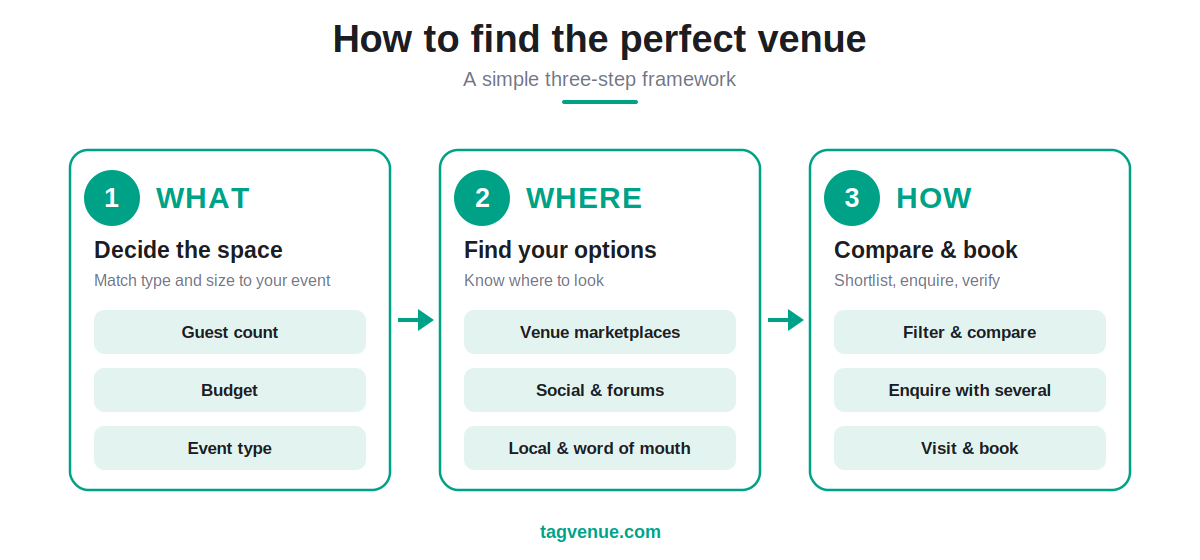
To find the perfect venue for your event, start by defining your guest count, budget and preferred date. Once you have those key criteria, you can compare venues side by side to see which matches your needs. A venue-hire marketplace such as Tagvenue can make that process easier by allowing you to filter venues, compare pricing and enquire with multiple venues in one place.
Instead of searching across multiple websites, bringing your venue search, pricing information and enquiries and the conversation in one place can save time and make it easier to compare your options. This guide is divided into three sections for private hosts, corporate bookers, and event planners, so you can jump straight to the advice that’s most relevant to you.
- How do you find a venue that fits your event?
- 1. Set your basics first
- 2. Check the location and atmosphere
- 3. Evaluate the facilities and services
- 4. Read the fine print
- 5. Visit the space
- Where should I hold a work event or conference?
- Best places for a birthday, wedding or party?
- What kind of space works for a small get-together?
- Where can I host a big event for 150-plus guests?
- Is Tagvenue actually quicker than searching yourself?
- Conclusion: how to find the perfect venue, in short
- FAQS
- How early should I start looking for a venue?
- Is it really free to book through Tagvenue?
- How long will it take for a venue manager to get back to me?
- Can I message a few places at once on Tagvenue?
- What counts as a small venue versus a big one?
- What should I check before I pay a deposit?
- Do I need to visit a venue before booking?
| Key takeaways Set your basics first: finalize your guest count, maximum budget and event date before you look at a space. Check location and access: choose a place that’s easy for your guests to reach, considering factors such as public transport, parking, accommodation and accessibility. Evaluate facilities: confirm that the venue offers the facilities your event needs, such as AV equipment, catering options, accessible toilets and an appropriate layout. Read the fine print: ask about overtime charges, deposits, cancellation policies, and any additional fees. Verify the space: use online photos and reviews, and visit in person or request a virtual tour before making a final decision. |
How do you find a venue that fits your event?
You find the right space by matching five factors to your event: guest numbers, budget, location, facilities and the contract terms. Work through them in order, shortlist two or three suitable options, then visit in person or request a virtual tour before making your final decision. The five checks below follow the same framework event planners use for every event, from a dinner for 12 or a conference for 400 attendees.
Find the best spaces right away
Discover event spaces including restaurants, hotels, bars, and unusual venues such as warehouses near you.
1. Set your basics first
Before you start comparing venues, define your guest count, maximum budget and event date. These three factors shape every other decision and help you rule out event spaces you cannot use or afford.
- Guest list size: know your exact number. Squeezing too many guests into a small space can make it feel cramped, while too few can leave a larger space feeling empty.
- Maximum budget: decide exactly how much you can spend for venue hire, food, drinks and décor. Leave some contingency in the budget for unexpected expenses.
- Event date: pick a specific date, or a few flexible options, as midweek and off-peak dates are often cheaper. Confirm availability with your guests before making a final decision where appropriate.
2. Check the location and atmosphere
Choose a location that’s convenient for your guests. Accessibility often has just as much impact on attendance as the venue itself.
- Accessibility: Consider how guests will travel to the venue, including proximity to public transport, parking, road access and, nearby accommodation. Think in terms of convenience for your guests when choosing the venue.
- Accessible for everyone: confirm step-free access, accessible toilets and any special seating availability during your site visit. Check accessibility information online, then confirm any specific requirements during your site visit.
- Atmosphere: the look and feel should suit the occasion, whether that is a formal corporate meeting or a relaxed party. Choose the venue whose atmosphere complements the occasion and your requirements.
3. Evaluate the facilities and services
A beautiful space can fall short if it lacks the essentials, so check the facilities, equipment, catering rules and layout before booking. Confirm these in writing before you commit.
- Amenities: make sure the venue offers the facilities your guests will need, such as adequate toilets, cloakroom space, lighting, and climate control. Make a list of non-negotiables.
- Equipment: does the venue provide sound systems, projectors, screens or a stage, or must you hire them separately?
- Food and drink: check whether the venue requires you to use in-house catering, or allows external vendors? If catering isn’t provided, ask whether the venue can recommend trusted suppliers, especially in spaces like warehouses, studios, or lofts.
- Space layout: is there room for guests to move, sit and eat comfortably in your chosen configuration? Can the layout be changed according to your requirements?
4. Read the fine print
Before confirming your booking, review the booking terms, all costs, and the cancellation policy carefully. This can help you avoid hidden charges and surprises later.
- Total time: exactly how many hours are provided for setup, the event and pack-down.
- Hidden fees: Check whether additional charges apply, such as service charges, taxes, cleaning fees or corkage on top of the headline price. Some venues might only share this information when it’s too late.
- Cancellation policy: find out what happens if you need to reschedule or cancel.
5. Visit the space
Photo caption: If you cannot visit the venue in person, review recent photos, customer reviews and, where available, request a virtual tour before booking.
Photos can only tell you so much. A site visit, virtual tour, and recent reviews give you a much better understanding of the real size, experience and condition.
- Take a tour: visit the venue to assess the size, cleanliness and overall condition, including the acoustic, or ask for a live video walkthrough.
- Read reviews: read recent reviews to see what it is like to work with the venue, including communication, service and how well it delivers on expectations..
- Check the backup plan: for outdoor or weather-dependent events, ask exactly what happens if it rains.
Ready to start your search? Explore 10 reasons to book your event venue with Tagvenue and What is Tagvenue and how does it work?.
Where should I hold a work event or conference?
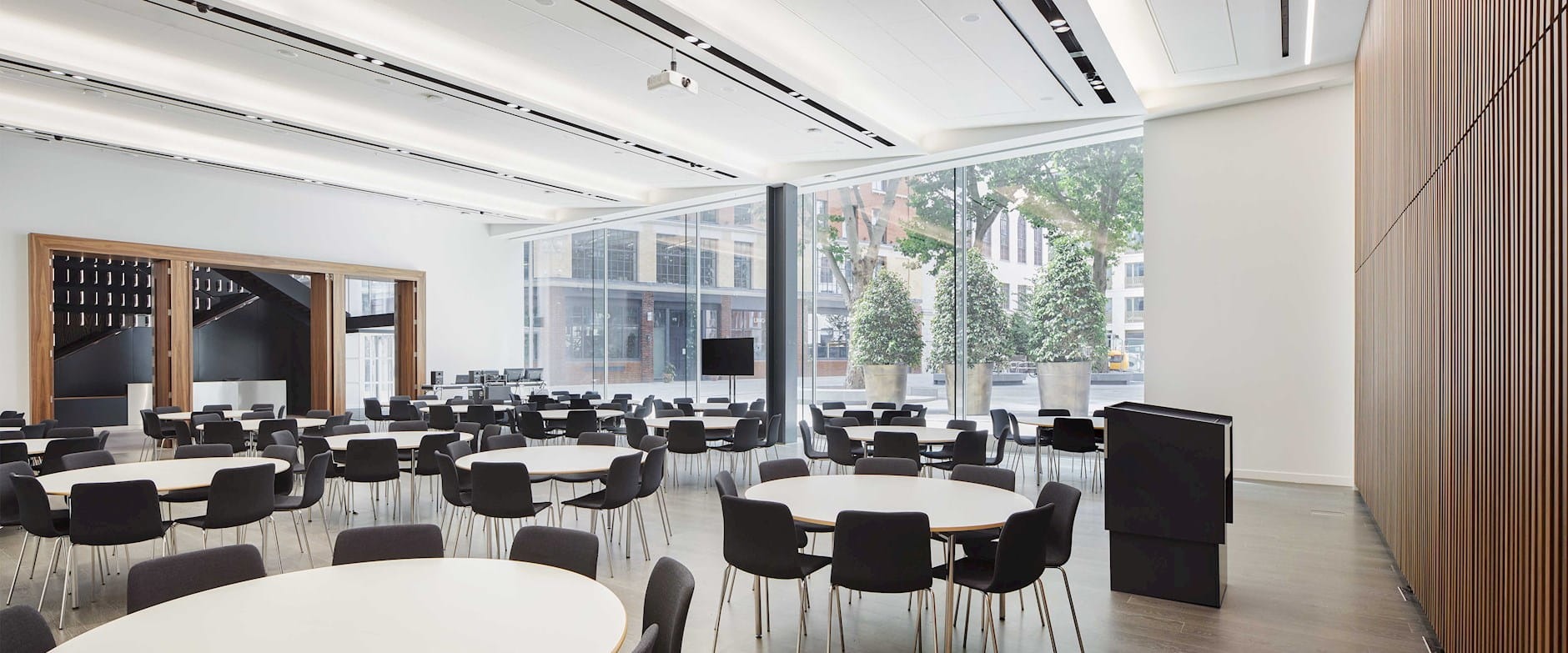
Match the space to your headcount: a café, coworking meeting room or private dining room for a small catch-up; a dedicated function or meeting room for an offsite; and a hotel ballroom, conference centre or larger blank-canvas venue for conferences and large events. Define your guest count and event format first, and the shortlist will become much easier to narrow down
Recommended venues by celebration and size
- Small work meetings and team catch-ups (2-15 people): a neighbourhood café (yes, even your local favourite), a restaurant’s private dining room, a coworking meeting room or day office like WeWork, Industrious or Mindspace, or a hotel boardroom. Coworking operators increasingly sell on-demand meeting-room credits and huddle rooms for short-term gatherings.In fact, 55% of corporations now use flexible workspaces (Cushman & Wakefield, 2026 report). They’re a great option when you want somewhere quick to book with the tech already in the room.
- Team offsites, workshops and training (15-60 people): dedicated meeting and function rooms, coworking event rooms, boutique-hotel meeting suites, blank-canvas studios, or a restaurant’s semi-private floor. These suit a day of sessions with breaks, and work especially well if you want to move straight onto dinner or drinks afterwards.
- Conferences, all-hands and large corporate events (60-1,000+ people): hotel function suites and ballrooms, dedicated conference and convention centres, purpose-built event venues, university spaces, and unique or blank-canvas venues. These venues are built for multi-day agendas, big AV setups and hundreds of delegates.
Where to look
One of the easiest ways to start your search is with a venue marketplace, where you can filter by capacity, amenities and budget before comparing venues side by side.
- Tagvenue – a well-known option with 100+ filters, upfront pricing and multi-enquiry functionality.
- Other marketplaces worth a look: HeadBox, Hire Space, Peerspace and Cvent Supplier Network.
- Coworking networks directly: WeWork, Industrious and Mindspace for meeting rooms and day offices.
- LinkedIn for peer recommendations, plus colleagues and industry contacts.
- Facebook event groups where people share past experiences and venue recommendations.
- Google and Google Maps for local search (“conference venue near me”, “meeting room [city]”). This works best when you don’t have much time to look for a venue and need something close to you and your attendees.
- Contact hotel sales teams directly if you are looking to combine accommodation with meeting or event spaces. This might be a good option if you have time to compare different options and have a specific budget allocation.
How to go about it
- Decide your objective, headcount and room layout first (theatre, classroom, cabaret or boardroom), then filter by capacity, AV, Wi-Fi, breakout rooms, catering and accessibility.
- Tagvenue data shows organisers typically reach out to around 10 venues at once and check about 8 details on each before enquiring – floor plans, photos or video, and room specifications tend to sway the decision most.
- For larger conferences, it’s worth confirming Wi-Fi capacity, AV performance, dedicated bandwidth and venue access well in advance. According to Tagvenue data, event planners typically book large conferences 8-12 months ahead, so leaving enough planning time is important.
For more, see how to choose a conference venue.
Best places for a birthday, wedding or party?

It comes down to the occasion and the number of guests you’re expecting. Intimate dinners suit restaurant private rooms; mid-size parties work in bars, lofts and function rooms; and big weddings or celebrations fit ballrooms, barns, warehouses or blank-canvas spaces that you can style yourself. Start by deciding on the experience you want to create, then you can choose the type of venue that best supports it.
Recommended venues by celebration and size
- Intimate (8-30): restaurant private dining rooms, pub upstairs rooms, chef’s tables, cocktail-bars with semi-private areas. Best for milestone birthdays, engagement dinners or christenings – places that handle the food and drink so you can just turn up and host. Private dining rooms usually seat from around 8 up to 50+.
- Mid-size party (30-120): semi-private floors in a restaurant or a full buyout, pub function rooms, bars, lofts and studios. These options suit a 30th birthday, a hen or stag do, or an anniversary where you want a bar and a bit of a dance floor without hiring everything in yourself.
- Large celebration or wedding (120-500+): banquet and function halls, hotel ballrooms, barns, warehouses, blank-canvas spaces, marquees, and historic or unique venues. Go for a packaged venue (a hall, ballroom or hotel) if you want catering and setup handled for you; choose a warehouse or blank-canvas space if you’re planning a big NYE bash or a festival-style party and want to DIY and brand it your way.
Where to look
Before you open a single listings site, think about the places that already mean something to you: the restaurant where you had your first date, the local that’s hosted every birthday, or the neighbourhood you both love. For weddings especially, a venue with personal significance can be more memorable than simply choosing the highest-rated” option. Once you’ve got a feel for what you want, these sources each earn their place:
- Wedding-specific marketplaces (The Knot, WeddingWire, Hitched (UK), Bridebook) – built entirely around weddings, so the reviews, virtual tours and filters are tuned to what couples actually need. The Knot Worldwide’s sites and apps draw 21M+ visitors a month (WeddingPro 2025).
- General venue marketplaces (Tagvenue, Peerspace, VenueScanner, HeadBox) – ideal if you’re looking for a non-traditional or dual-purpose space and prices you can compare upfront.
- Instagram and Pinterest – best for visual inspiration discovery and seeing venues styled for real events; TikTok is excellent for venue-reveal videos; Reddit and Facebook groups and communities can provide candid recommendations and practical advice from other couples.
- Word of mouth – endorsements from friends and family remain one of the most trusted ways to discover great venues for weddings. Local restaurants and pubs are also worth approaching directly.
How to go about it
- Weddings: book the venue first, since it sets the date and the tone. Plan 8-12 months ahead and use virtual tours to narrow your shortlist before visiting venues in person. Compare packages carefully, and don’t be afraid to ask for vendor guidance to stay on budget.
- Birthdays and parties: shorter lead time (3-6 months). Filter by capacity, minimum spend or room-hire fee, and catering options, and check whether you can bring your own decor or food. Confirm curfews, noise limits and access times before you commit.
For more, see how to choose a wedding venue.
What kind of space works for a small get-together?
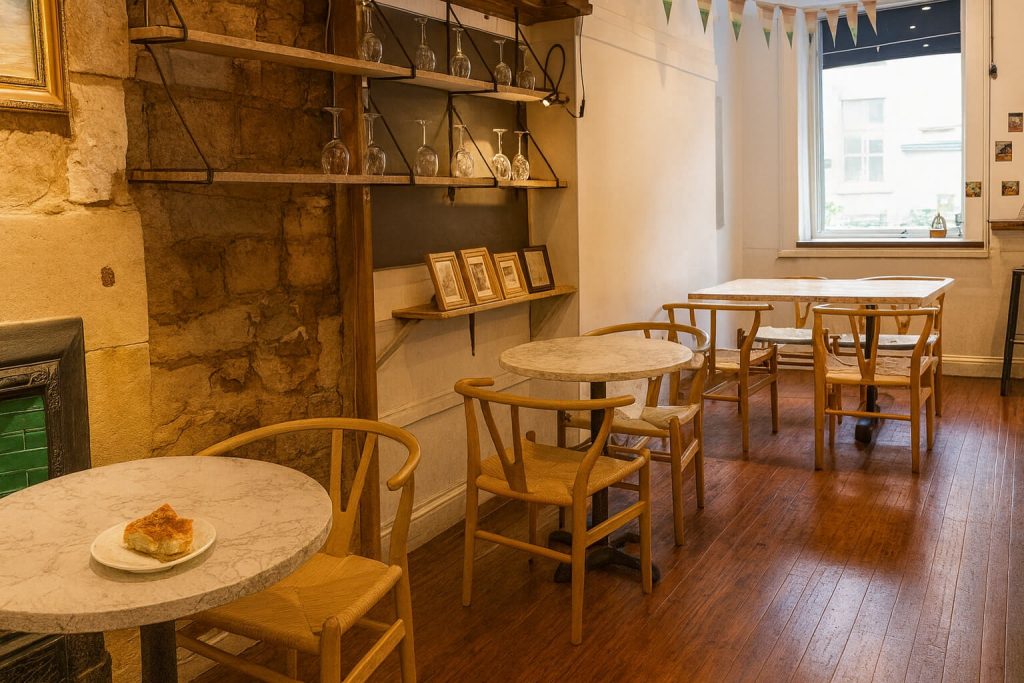
For smaller groups, choose a venue that matches your guest count so it feels intimate rather than cramped or empty. Cafés, chef’s tables and coworking meeting rooms suit 2-10; restaurant private rooms, pub snugs and small studios suit 10-30. The key is choosing a room that matches both the size and the style of your event.
Recommended venues by celebration and size
- 2-10: cafés and coffee shops, chef’s tables, small private dining rooms, coworking meeting rooms and day offices. Ideal for a small birthday meal, a book or supper club, a client lunch, or a focused team catch-up.
- 10-30: restaurant private rooms, pub snugs and upstairs rooms, cocktail-bar alcoves, small studios and lofts, community rooms. Good for a milestone birthday, a baby shower, a leaving do, or a workshop that needs a bit of breakout space.
- Coworking spaces are increasingly used for small business meetings. We’ve seen a rising demand for meeting rooms and huddle spaces. Co-working spaces are selling on-demand hourly credits in the US, UK, and other markets.
Where to look
If you’re hiring a venue by the hour, day or longer, a venue search platform makes it easy to filter by headcount, compare pricing and shortlist suitable spaces. Beyond that, some of the best small-group spaces come from simply asking around:
- Venue search platforms for short or long hire, ideal for finding spaces that match your guest list. Learn more about booking a venue on Tagvenue’s website.
- Local cafés, pubs and restaurants approached directly – many don’t charge a room hire fee, instead requiring a minimum spend on a food-and-drink.
- Google Maps for “private dining near me” or “meeting room hire”. You can find spaces nearby but will most likely need to contact them directly for pricing and availability.
How to go about it
- For smaller groups, venues often charge a room-hire fee or require a minimum spend on food-and-drink rather than a flat rental fee. Confirm any minimum spend, check when the room is available (some rooms are only free outside normal business hours), and verify that any AV equipment meets your needs if you’re presenting.
- Filter by your expected headcount so you avoid spaces that feel overcrowded or too large for your group, and ask whether the space is semi-private or fully private. If privacy is important, choose a fully private room rather than a semi-private space.
Where can I host a big event for 150-plus guests?
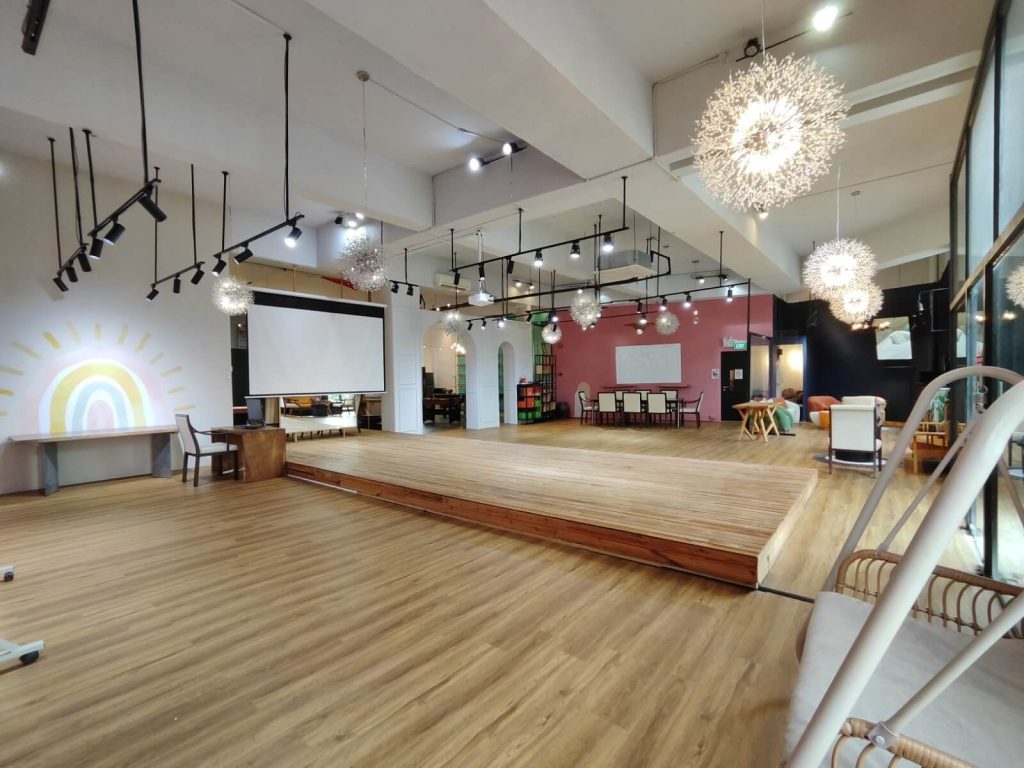
Look at hotel ballrooms, banquet and function halls, or blank-canvas spaces and warehouses you can customize yourself. For events with more than 500 guests, options typically narrow to large hotels, purpose-built venues, exhibition halls and marquees – usually with external production brought in. At this scale, layout and logistics matter as much as the space itself.
Recommended venues by celebration and size
- 150-500: hotel ballrooms, banquet and function halls, larger restaurants with private floors, blank-canvas spaces, warehouses. Ballrooms and halls suit galas, awards nights and large weddings where you want catering handled; warehouses and blank-canvas spaces suit brand launches, festivals and big parties where you want complete flexibility over the layout and styling..
- 500-1,000+: purpose-built conference and banqueting venues, exhibition halls, arenas and stadiums, landmark venues and large marquees are best for conferences, trade shows, product launches and city-scale celebrations.
Tip: Remember that layout determines real capacity: a space quoted at 1,000 standing might seat only around 500 for a banquet.
Where to look
For large-scale events, it’s worth looking beyond general venue searches and using specialist platforms and industry networks.
- Venue marketplaces with large-capacity filters, such as Tagvenue (with large-event listings such as this London one), The Vendry, and Cvent Supplier Network, make it easier to compare venues suitable for such large events.
- Convention & Visitors Bureaus and destination management companies (DMCs); hotel and convention-centre sales teams can all help identify suitable venues. Referrals from caterers and AV vendors are also valuable as they often know which large rooms actually work in practice.
How to go about it
- Book well in advance, and confirm the maximum permitted occupancy matches your planned specific layout. Check load-in access, power distribution, multi-zone catering and production facilities.
- Contact several venues at once and negotiate room blocks with nearby hotels. Verify accessibility, parking and transport arrangements for large groups before confirming your booking.
Is Tagvenue actually quicker than searching yourself?
Yes. Tagvenue brings venue search, price comparison and enquiries together in one place to filter, making it faster to compare options and contact multiple venues at once.
| Criteria | Searching manually | With Tagvenue |
| Finding options | Trawl dozens of separate venue sites, directories and Google | 22,000+ verified venues in one place, filtered to your event |
| Seeing prices | Email or call for a quote, then wait | Per-person rates and minimum spend shown upfront on the listing |
| Comparing | Juggle a dozen tabs and inboxes | Shortlist and compare spaces side by side |
| Getting in touch | One email at a time | One enquiry sent to several venues at once |
| Getting a reply | Chase for responses | More than 81% of enquiries answered within 24 hours |
| Cost to you | Hours of your time | Free for users. Venues pay a commission only on confirmed bookings |
The biggest advantages are transparency and speed: you rule spaces out on price before you contact anyone, and you start several conversations in the time the traditional route takes to send one email.
Ready to start? Set your guest count, budget and date, then compare verified venues near you in a few clicks.
Conclusion: how to find the perfect venue, in short
Finding the right venue comes down to a few key decisions: define your guest count, budget and date, choose the right search channels, then compare suitable venues before arranging a visit. This framework works for any event, from a 10-person dinner to a 500-guest conference.
Keep these pointers to hand:
- Start with your numbers. Lock in guest count, maximum budget and date before you look at a single space – they decide everything else.
- Pick the channel that fits the event. Weddings → wedding marketplaces, Instagram and word of mouth; corporate → venue marketplaces, LinkedIn and hotel sales teams; parties and small meetings → venue marketplaces, Google Maps and local cafés or restaurants directly.
- Match the space to the headcount. Cafés, private dining rooms and coworking rooms for small groups; function rooms and restaurant floors for mid-size; ballrooms, conference centres and blank-canvas venues for large events.
- Compare in one place. A venue marketplace like Tagvenue lets you filter by capacity and amenities and see per-person rates and minimum spend upfront, so you can rule spaces out before contacting anyone.
- Enquire with several venues at once, then verify. Shortlist two or three, send one enquiry to all of them, read recent reviews, and confirm hours, fees and the cancellation policy in writing before you pay.
FAQS
How early should I start looking for a venue?
Start looking at least four to six weeks before for most events, and three to six months ahead for weddings, peak Friday and Saturday evenings, or the Christmas party season. The best-loved spaces in cities like London, New York and Sydney fill up fast, so if your date is fixed, get moving. If your date is flexible, try to book midweek and off-peak slots as they are often cheaper.
Is it really free to book through Tagvenue?
Yes. Tagvenue is 100% free for users, with no service fees or booking surcharges. You can search, compare venues, and find the best deals without any admin fees. You only pay for the venue you book, and our price guarantee ensures they will never pay more than the venue’s regular price.
Find out more about it: Why Is Booking Free for Users on Tagvenue? (And How Do We Make Money)
How long will it take for a venue manager to get back to me?
Most enquiries on Tagvenue receive a response within 24 hours, and many venues reply within a few hours. Tagvenue has a strict policy on response times and venues are expected to respond within 12-hours. If you haven’t received a reply within 24 hours, the Tagvenue customer service team will follow up to assist.
Can I message a few places at once on Tagvenue?
Yes. You can shortlist spaces and enquire with several at the same time, which is the quickest way to compare quotes. Submitting an enquiry doesn’t commit you to a booking, it simply starts a conversation. Contacting two or three places at once is completely normal. For more on how the platform works, see the Tagvenue Users FAQ or What is Tagvenue?.
What counts as a small venue versus a big one?
As a rough guide, small spaces suit around 50 guests or fewer, such as private dining rooms, function rooms, meeting rooms, while large ones handle 100-plus such as banquet halls, warehouses, conference centres. Always check the seated versus standing figures on each space as the two can differ a lot.
What should I check before I pay a deposit?
Check your total hours, the full price breakdown, deposit terms, any additional costs, and the cancellation policy.
Do I need to visit a venue before booking?
A visit isn’t always essential, but it’s recommended where possible. If you can’t visit in person, request a live video tour and read recent reviews to better understand the venue’s layout, condition and service quality before making your decision.
How do I know a venue is trustworthy?
Look for verified listings, recent reviews and a clear response time before you enquire. Independent forums, and community discussion are also helpful. On Tagvenue, every space is human-verified before it goes live, top performers earn a Supervenue badge, and the platform holds 4.73 out of 5 across 3,700+ reviews on Reviews.io.
Related articles
See all
Booking Through Tagvenue or Peerspace: Which platform is better for your event?