Where and How to List Your Event Space in Singapore



Venue managers in Singapore often describe their space in simple terms: “we’re a restaurant,” “we’re a studio,” or “we’re a function room.” The market, however, behaves differently here. Planners usually search in this order: first a very specific occasion, then a preferred format, and then a tight geographic radius around a convenient MRT.
A Jalan Besar shophouse, for example, can work as a weekday offsite space, a Saturday night birthday venue, and a private dining room. But if it is listed only as a “workshop venue,” it may disappear from birthday and private dining searches entirely.
That gap between what a venue is and how it is found is exactly where revenue leaks out. In Singapore, it is rarely a “demand issue.” More often, it is a discovery issue created by narrow categorisation.
The category trap: why “one label” quietly kills bookings
From the venue side, listing under one broad category feels clean and simple. From the organiser’s side, it can be limiting. They rarely start with the “venue type.”
A corporate PA may look for an offsite space with breakout rooms near the CBD. A marketing manager may need a product launch venue with good AV in Bugis. A couple may want an intimate private dining room in Tiong Bahru. If your listing does not reflect those intents, your venue will never appear in their filtered view.
This single‑category mindset has three predictable consequences in Singapore:
- First, intent‑rich searches never surface your space. You may be technically suitable for birthdays, private dinners, workshops and content shoots, but if you appear only under a generic “event space” category, planners can easiy skim past or filter you out entirely.
- Second, utilisation becomes lopsided. In dense districts like Raffles Place, Tanjong Pagar and Orchard, there is demand for weekday strategy days, early‑morning breakfast briefings and mid‑week celebrations. But if your listing only “speaks corporate” or only “speaks social,” you miss the chance to redirect different types of demand into quieter slots.
- Third, your pricing narrative never has a chance to land. You know the difference between your Tuesday daytime workshop rate and your Saturday night minimum spend, but if the listing does not frame those options against concrete use cases, organisers may struggle to see value. They either bounce or try to negotiate you down. Peak and off‑peak strategies only work when buyers can clearly see why one slot commands a premium and another offers smart value.
What profitable Singapore venues do differently
The most effective venue teams in Singapore stop treating “venue type” as the hero. Instead, they build listings around specific booking journeys.
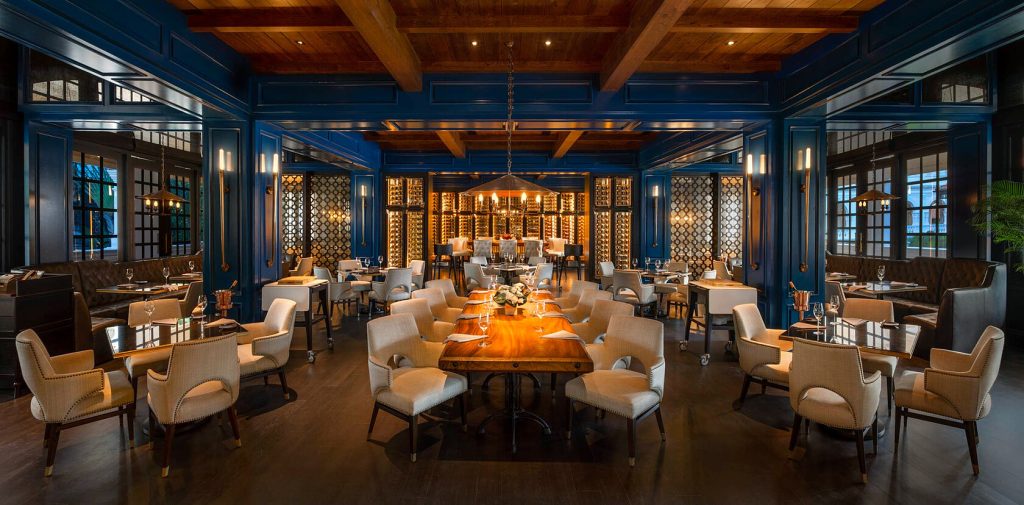
A restaurant in Orchard that is serious about private events, for example, might position the space as:
- an intimate private dining room for regional teams and client entertainment
- a birthday and celebration spot for smaller groups that do not need full‑venue hire
- a semi‑private space for product launches or influencer events with strong visual backdrops
The physical space has not changed. The story has.
That same pattern plays out in other neighbourhoods. In the CBD, around Raffles Place, and Tanjong Pagar, venues that capture corporate budgets do so by leaning hard into meeting, offsite, and workshop language from Monday to Thursday, then slide naturally into networking drinks and private dining positioning later in the week.
In Bugis and Bras Basah, hybrid creative‑corporate spaces win by speaking to both training teams and content producers. The same room that hosted a design sprint on Tuesday can host a video shoot on Friday, but the listing needs to make that flexibility clear.
Lifestyle districts like Tiong Bahru, Joo Chiat and Katong reward venues that emphasise intimacy in their listings and atmosphere. Baby showers, creative workshops, wellness events and micro‑weddings feel much more specific than generic “function room” language that could apply anywhere.
On Sentosa and around Harbourfront, the venues that consistently attract retreats and incentive events are usually the ones that name those occasions directly in their categories and copy, e.g., retreats, offsites, and incentive trips.
In every case, the expertise lies in mapping one physical space to several high‑intent search journeys without diluting the brand.
Why Tagvenue is built for multi‑use venues
Tagvenue’s marketplace structure is designed for exactly this multi‑use reality. Instead of forcing your space into a single identity, you can align one venue with multiple event types, formats, and offers, while keeping everything under one coherent profile.
That matters for Singapore venues in three important ways:
- First, your venues can become discoverable across more of the journeys that matter. Because organisers can filter by event type, location, budget and group size, a well-configured listing can appear simultaneously in searches for private dining, meeting rooms, and small party venues if your space genuinely fits those briefs.
- Second, you can finally make your offpeak strategy work. Venues that deliberately package mid‑week corporate events or daytime usage see far healthier calendars than those who simply discount and hope. Pair that with the platform’s advice on peak vs off‑peak pricing and you get a framework for structuring rates that reflect real demand patterns.
- Third, you are operating in an ecosystem that event organisers already trust. Organisers who rely on Tagvenue consistently point to the clarity of information, direct messaging with venues and a straightforward enquiry‑to‑booking flow as reasons they return. That trust is not abstract brand equity. It is a concrete advantage when your listing sits alongside less detailed or poorly positioned competitors.
For venue owners, there is also a commercial logic that makes the platform more sustainable at scale. The commission structure is transparent and tiered, with no guest‑side booking fees which helps keep the focus on event fit.
From theory to practice: how to reposition your Singapore venue listing
Turning this into action starts with rewriting the story your listing tells. Instead of one generic paragraph that attempts to cover everything, break your copy into short, occasion‑specific sections. Show how your Orchard restaurant’s private room works for a 10‑person board dinner one night and a 20‑person birthday the next. For a Bugis studio, articulate the difference between a strategy workshop layout and a fully blacked‑out content shoot.
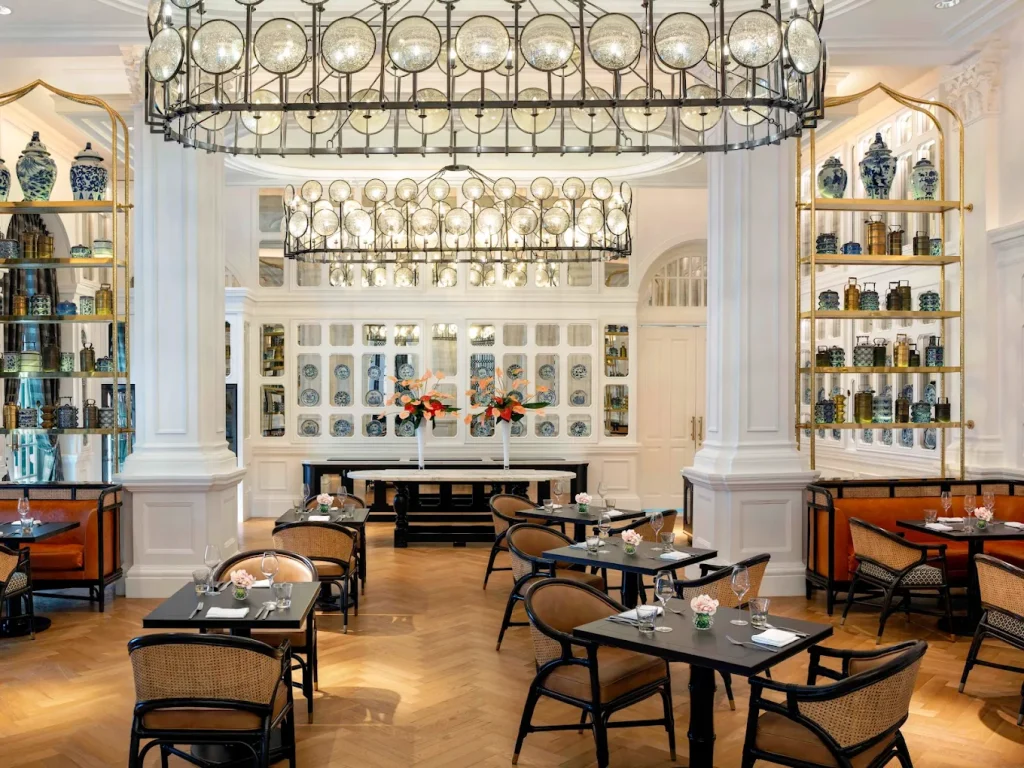
Your photos should support these narratives rather than simply showing “the room.” Use one set that illustrates a corporate or workshop configuration, another that captures a social or celebratory setup, and a third that highlights any unique visual features that make your space unique such as shophouse details, skyline views, nearby landmarks or MRT access.
Structure distinct offers for high‑demand peaks and quieter periods, then connect those prices to specific event types in your description. Finally, treat your listing as something you iterate on over time, not a static brochure. 2026 booking trends point to shifting lead times, preferences for more flexible formats and a growing appetite for smaller, more frequent gatherings.
Have an event venue in Singapore?
List your space, earn higher visibility, and make it highly discoverable.
Related articles
See all
What Do Employees Actually Want From a Work Christmas Party in 2026?
Tagvenue Event Planning Index 2026: How the UK, US, Australia and Singapore Are Booking Events