How to Find a Venue With No Minimum Spend in London



A venue with no minimum spend doesn’t require you to spend a set amount on its food and drink. Instead, you can look for venues with fixed hire fees, hourly rates or dry-hire options. Event spaces, halls, studios and blank-canvas venues are good places to start. Tagvenue helps you find and compare these options by location, budget and catering arrangements, so you can choose a venue that gives you greater control over your event costs and plans.
A venue with no minimum spend isn’t necessarily cheaper, but it can offer more flexibility over how you organise and pay for your event.
How venue pricing works
UK venues offer several pricing arrangements, and some combine more than one. Understanding the differences can help you find a venue without a minimum spend and avoid unexpected costs.
| Pricing model | What you pay | Catering and drinks | Typical venues |
|---|---|---|---|
| Minimum spend | An agreed total spend on the venue’s food and drink. If your group falls short, you usually pay the difference. | Usually provided by the venue | Bars, pubs, restaurants, private dining rooms |
| Hourly hire | A rate per hour, often with a minimum booking period | Varies, and often flexible | Studios, halls, community spaces, meeting rooms |
| Fixed hire fee | One price for a session, evening or day | Varies | Event spaces, galleries, hotels, warehouses |
| Per-person package | A price per guest covering space, food and/or drink | Usually the venue | Restaurants, hotels, activity venues |
Two other terms are worth understanding:
- “Free venue hire” often means there’s no separate room fee, but you must meet a minimum food and drink spend. It’s not a booking without financial commitments. If you’re trying to avoid minimum spend venues, “free hire” is the wrong thing to search for.
- “Dry hire” means renting the space without catering or other services included. It may be charged hourly or at a fixed rate, and some venues still require approved suppliers or charge separately for cleaning, staffing or equipment.
Why organisers avoid minimum spends
Booking a venue without a minimum spend can give you more flexibility over your budget and how you organise your event. The main reasons include:
- Less financial risk. If turnout is uncertain or some guests don’t drink, a minimum spend can leave the host covering a shortfall.
- More flexibility over who pays. Guests can buy their own drinks without the organiser having to worry about reaching a spending target.
- Greater choice of catering. You may prefer your own caterer, homemade food or options that better suit your guests’ dietary needs and budget.
- More freedom to plan your event From bringing your own DJ to running a workshop or community event, a hire-fee arrangement may better suit your plans.
Remember that individual venues may still restrict outside catering, alcohol or entertainment, regardless of how you pay for the space.
Minimum spend vs hire fee: which is better value?
Neither model is cheaper by default. The best choice depends on your event, your guests and how you plan to cover the costs. If you’re considering a minimum-spend venue, our guide to how minimum spend works.
A minimum spend may be better value when:
- Your guests will buy their own food and drink anyway, so their spending counts towards the target
- You want catering, bar staff, glassware and cleaning included
- You’re booking off-peak, when venues may offer a lower minimum.
A hire fee may be better value when:
- Guest numbers or spending are difficult to predict.
- You want to provide your own catering or drinks.
- You’re organising a short or daytime event with limited food and drink requirements.
- The minimum spend is disproportionately high for your group size.
A worked example
Illustrative costs for a 40-guest birthday party lasting four hours, with five hours of venue hire to allow for set-up and clear-down.
| Option A: hourly hire, self-catered | Option B: £1,000 minimum spend at a bar | |
|---|---|---|
| Space | £60 × 5 hours = £300 (host pays) | No hire fee |
| Food | Caterer or home-made: ~£400 (paid by host) | Bar platters ordered by host: ~£300, which counts towards the minimum |
| Drinks | ~£250 paid by host | Guests buy their own at the bar, which counts towards the minimum |
| Extras | Possible cleaning fee, corkage or speaker hire (host pays) | Usually included. Check whether service charge counts towards the minimum |
| Host pays | ~£950 + any extras, fixed in advance | £300 if guests spend at least £700 or more at the bar. £500 if guests spend only £500, because the host covers the £200 shortfall |
With hourly hire, the host knows the main costs in advance and provides food and drinks for everyone. With a minimum spend, guests cover their own drinks, potentially reducing the host’s costs. However, if their purchases fall short, the host must make up the difference.
Which option is right for your event?
Choose a hire fee if you want to know your venue costs upfront, manage your own catering and drinks, or avoid relying on guests to meet a spending target. Just remember to factor in any additional services or supplier charges.
Consider a minimum spend if your guests are likely to spend enough on food and drinks to meet the requirement. It may offer better value when staffing, catering facilities and other essentials are already included.
Ultimately, compare the total cost, what’s included and how much flexibility each venue offers. The best choice isn’t necessarily the cheapest advertised option, but the one that fits your event and budget.
Where to find venues with no minimum spend
Finding a venue without a minimum spend is easier when you search by pricing arrangement rather than venue type alone. Here are three places to start:
- Venue marketplaces: Platforms like Tagvenue let you compare venues by location, budget, capacity and catering arrangements. Look for hourly hire, fixed hire fees or dry-hire options, then check individual listings for minimum-spend requirements.
- Google Search and Maps: Try terms such as “venue hire no minimum spend”, “function room with fixed hire fee” or “dry hire venue”, followed by your city or area. Check venue websites for pricing and booking conditions.
- Local and community directories: Council websites, community organisations and local directories can help you find halls, studios and other independently managed spaces that offer hourly or session hire.
Which venues should you look for? Event spaces, community halls, galleries, studios and independent cafés frequently offer hire-fee arrangements. Pubs and restaurants may also provide alternatives to minimum spend, particularly for weekday or daytime bookings.
If a venue advertises a minimum spend, ask whether it can offer a fixed hire fee instead, reduce the minimum for an off-peak booking, or count guests’ individual purchases towards the total.
Ready to compare your options?
Browse dry–hire venues in London on Tagvenue to explore spaces by location, guest numbers and budget, then check catering rules and pricing before enquiring.
How to find and compare no-minimum-spend venues on Tagvenue
Tagvenue lets you compare venues with hourly, session and daily hire fees alongside minimum-spend options, so you can choose the arrangement that works best for your event. There are no booking fees for organisers.
1. Narrow your search. Start with dry-hire, self-catering or BYO venues, then filter by location, capacity and budget. Use options such as “External catering allowed” and “BYO alcohol” if you want to bring your own food or drinks.
2. Compare prices and conditions. Check whether each listing charges an hourly or fixed hire fee, and whether any minimum spend also applies. Review catering and supplier restrictions, additional charges and what’s included in the price.
3. Confirm the total cost. Send enquiries to suitable venues with your date, guest numbers, full timings and catering plans. Ask for an itemised quote that includes any additional fees so you can compare offers on the same basis.
Keep in mind that pricing arrangements may change by date or event type. Always confirm that no minimum spend applies to your booking.
Examples of venues with no minimum spend on Tagvenue
Prices as listed on Tagvenue at the time of writing (October 2026). Check the live listing before booking.
From rooftop terraces to historic houses and stylish cafés, venues without a minimum spend don’t have to be basic. These London spaces offer hire-fee arrangements with different levels of flexibility over catering, drinks and event planning.
1. Rooftop terrace: The Rooftop at Second Home Spitalfields, East London

Check: The higher hourly rate and cancellation conditions, particularly for bookings made well in advance.
2. Historic house and garden: Freud Museum London, Hampstead
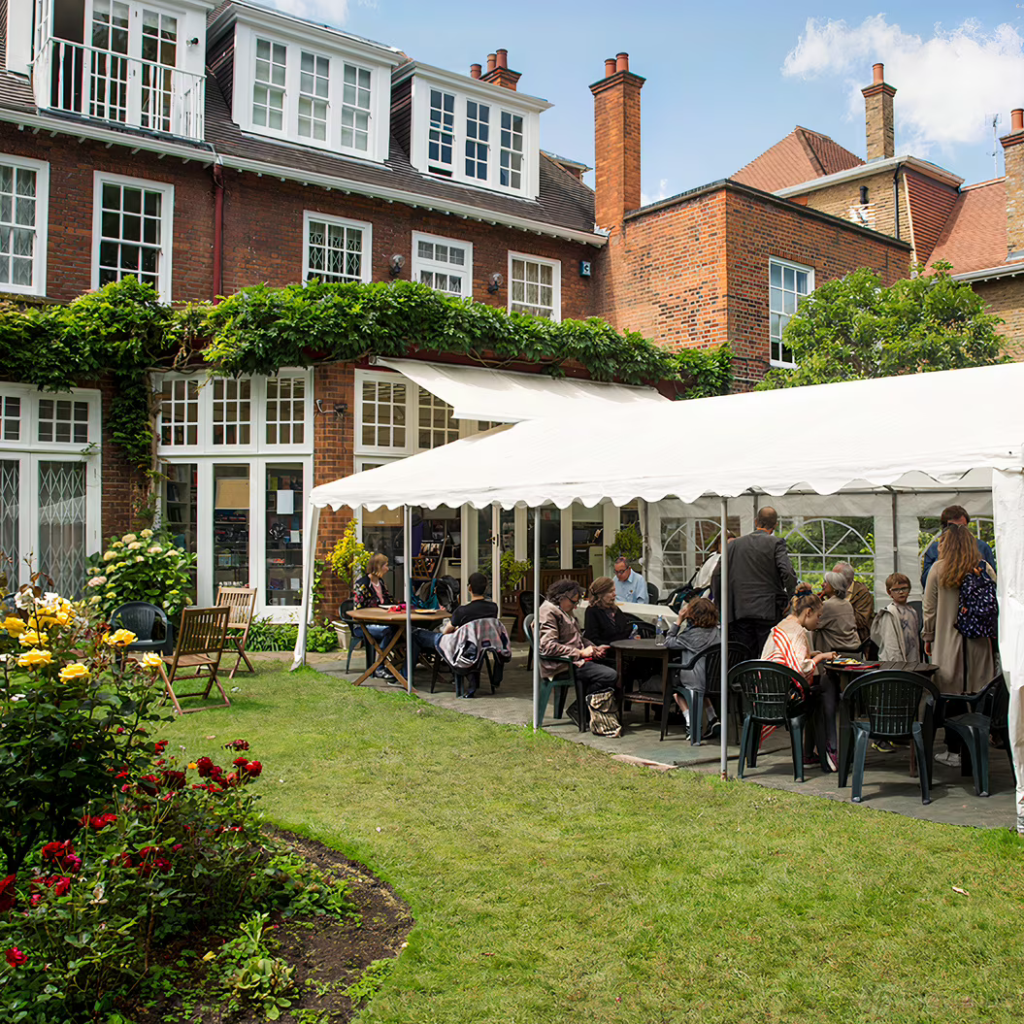
Check: Accessibility restrictions and any additional costs for garden arrangements, including a marquee.
3. Styled private-hire café: Beauty & The Feast, Purley
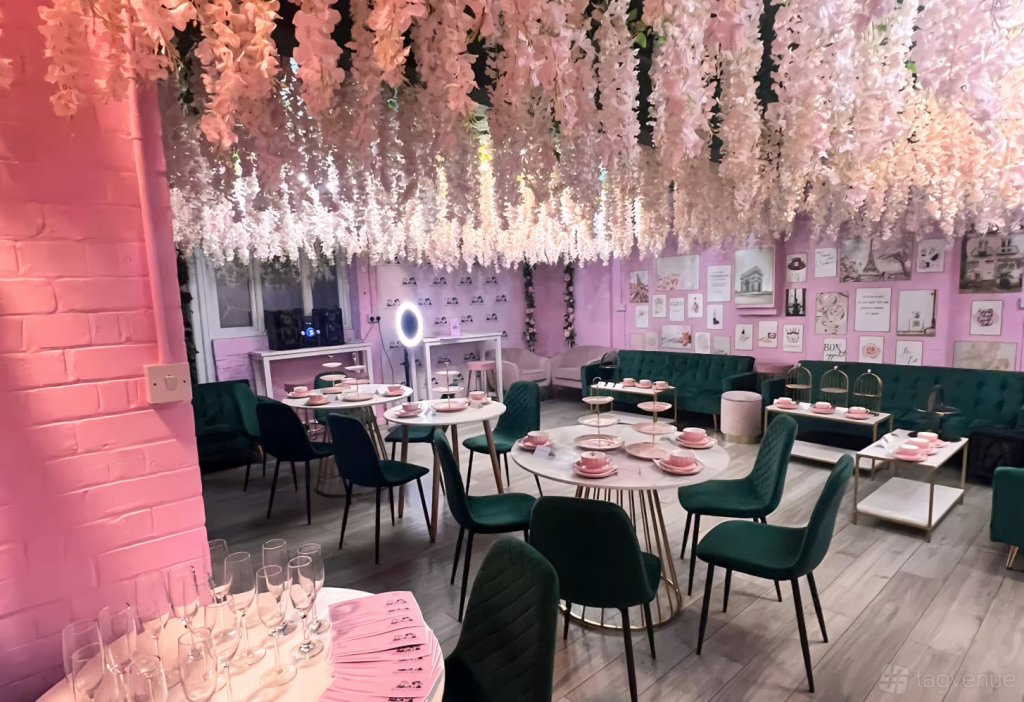
Check: Bringing your own catering may increase the hourly rate to £200, so compare both arrangements before booking.
4. Conservatory and garden: The Conservatory at Twenty Nevern Square Hotel, Earl’s Court
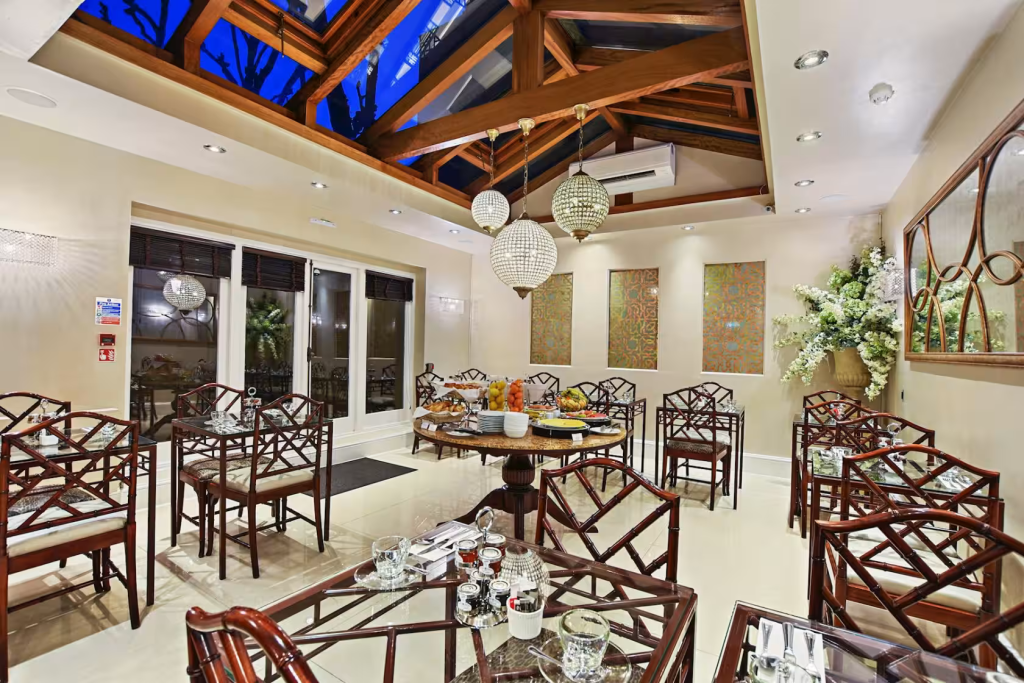
Check: Saturday rates start at £200 per hour, corkage applies to BYO alcohol, and the space accommodates up to 30 standing guests.
A hire fee doesn’t automatically mean freedom, though. Some hire-fee venues still require all drinks to be bought from their bar, or add a minimum bar spend on top. Always read the catering and drinks section.
Total-cost checklist
Even without a minimum spend, additional fees and restrictions can affect your budget. Before confirming a booking, check:
- Hire period: Minimum booking hours, time for set-up and clear-down, and overtime charges.
- Total price: Weekend or seasonal rates, VAT, deposits and any mandatory cleaning or service fees.
- Staffing and equipment: Charges for security, staff, furniture, glassware and audiovisual equipment.
- Catering and drinks: Rules for outside caterers, BYO alcohol, corkage fees, kitchen access and any required suppliers.
- Event restrictions: Noise limits, finish times, decorations, entertainment and guest requirements.
- Booking terms: Cancellation conditions, refund policies and insurance requirements.
Ask the venue for an itemised quote that includes all compulsory costs. This makes it easier to compare options and avoid unexpected charges.
For more budgeting guidance, see our guide to how much it costs to rent a party venue.
Want more flexibility over food and drinks?
Explore BYO venues in London on Tagvenue and compare hire fees, catering policies and booking conditions before enquiring.
FAQs
What does no minimum spend mean when hiring a venue?
It means you’re not required to spend a set amount on the venue’s food and drinks. You may still pay an hourly, fixed or dry-hire fee for the space.
Can you hire a venue for free without a minimum spend?
It’s possible, but uncommon. Venues advertised as offering free hire often require a minimum food and drink spend instead. Always check the booking conditions.
What’s the difference between dry hire and minimum spend?
Dry hire typically means renting the space without catering or other services included, while minimum spend requires you to spend an agreed amount on the venue’s food and drinks. Dry hire offers more flexibility over suppliers, subject to venue restrictions.
Is a hire fee cheaper than a minimum spend?
Not necessarily. A minimum spend may cost the organiser less if guests cover enough of the food and drink bill. A hire fee can provide more predictable costs, particularly for self-catered venue.
Related articles
See all