How to Find a Micro Wedding Venue That Fits Your Guest List and Budget: Tagvenue vs. Hitched




For a micro wedding with 10 to 30 guests, Tagvenue is the better starting point because its variety of venue types gives you options for the wedding day and the celebrations around it. A private dining room could host your rehearsal dinner, a garden could suit an intimate ceremony, and a café, hotel library or boat could work for your reception. You don’t have to make a traditional wedding venue built for 100 people work for a guest list of 20.
Hitched is strong for the wider wedding-planning journey. But when your priority is finding spaces for a rehearsal dinner, ceremony, wedding reception or post-wedding brunch, that variety matters. With Tagvenue, you can compare capacity, budget, pricing models and venue types, then check privacy and any ceremony requirements with the venue. You’re choosing a space around your plans, not just browsing venues labelled “small”.
What is a micro wedding?
A micro wedding is a small-scale wedding, usually with around 10–30 guests. It still has many of the usual elements of a wedding — typically a ceremony followed by a meal or reception — but with a much smaller guest list.
There is no universally agreed cut-off. In the UK, the term often refers to weddings with fewer than 30 guests and sometimes fewer than 20. In the US, definitions commonly extend to 50 guests.
| Format | Typical guests | What it usually means |
| Elopement | The couple | Primarily focused on the ceremony |
| Micro wedding | Around 10–30 | Ceremony plus a meal or reception |
| Small / intimate wedding | Around 30–60 | A larger small-scale celebration; format varies |
For this guide, we use 10–30 guests as the working definition, although much of the venue advice also applies to weddings of up to around 50 people.
The best wedding venues for small groups are right here. Browse top spaces in:
Why choose a micro wedding?
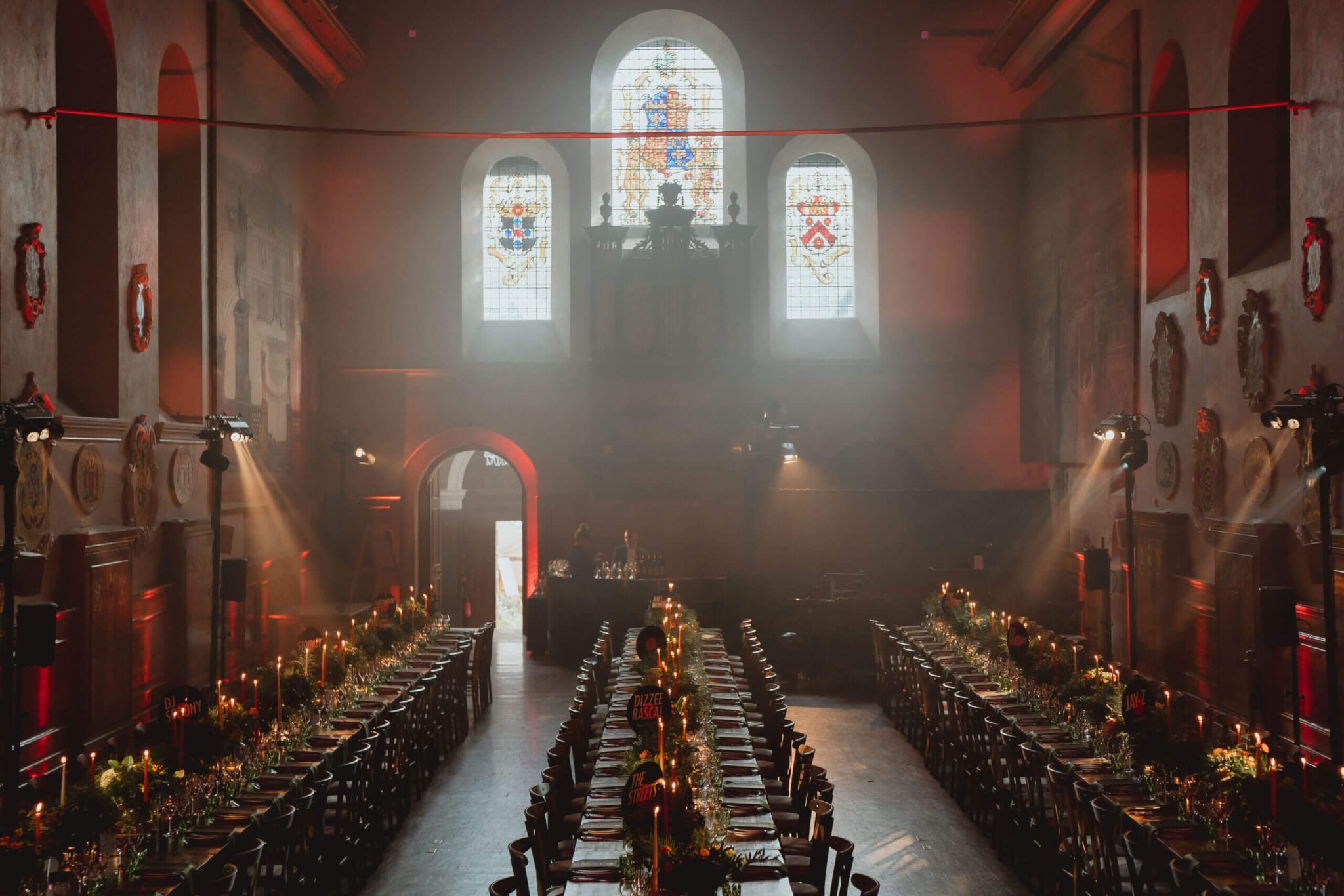
Couples choose micro weddings for a mix of practical and personal reasons: more control over the budget, a deliberately smaller guest list, simpler logistics and access to spaces that would not work for a large wedding. Micro weddings fit a wider shift towards simpler, more personal celebrations. British Vogue’s round-up of 2026 wedding micro-trends points in the same direction, from relaxed buffets replacing formal sit-down dinners to candles over elaborate florals and couples skipping a traditional ceremony.
- More control over spending. Fewer guests can reduce the overall cost while giving couples more freedom to decide where the budget goes. Tagvenue’s latest Wedding Cost Index puts average UK wedding venue spend at £4,700.
- A smaller guest list by choice. For some couples, the appeal is simply celebrating with the people closest to them rather than building the day around a much larger crowd.
- Simpler logistics. Fewer guests can mean less pressure around seating, transport, accommodation and the overall running of the day.
- More venue possibilities. Twenty guests can fit comfortably into a private dining room, screening room, garden or canal boat — spaces that would never work for a 120-person wedding.
That last point shapes the rest of this guide. A micro wedding changes the question from “Which wedding venue should we hire?” to “Which space fits our guest list, plans and budget?”
Are micro weddings cheaper?
Usually, yes in total — but not necessarily per guest.
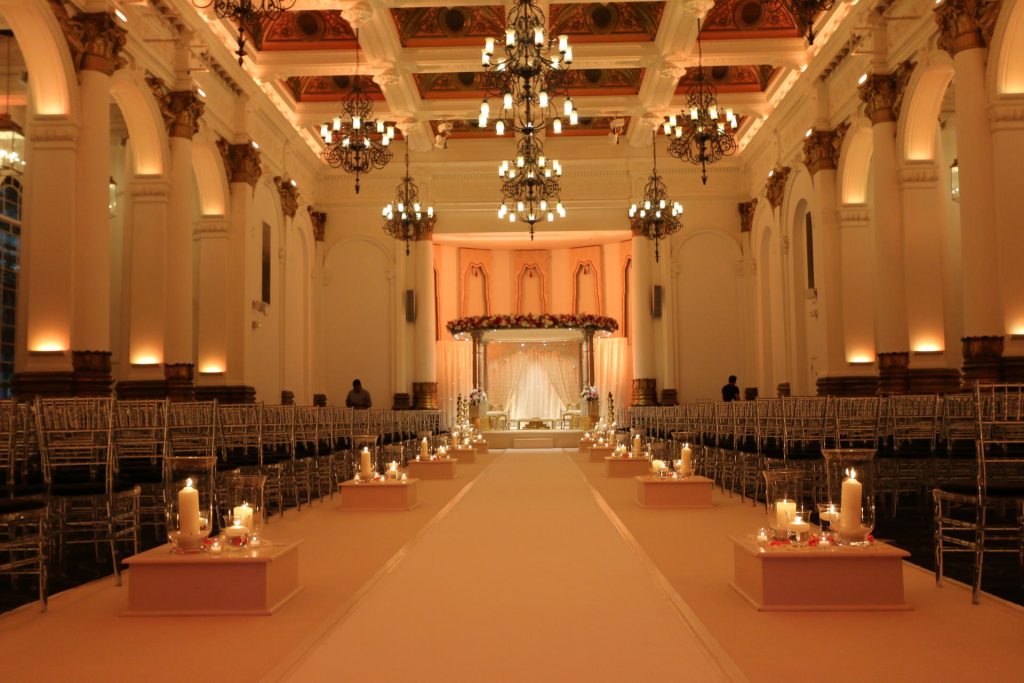
Many wedding costs are fixed or only partly affected by guest numbers. Outfits, ceremony fees and much of the photography budget may change little whether you invite 20 people or 100, so those costs are spread across fewer guests.
Venue choice is where the numbers can change significantly. Bridebook’s 2026 UK Wedding Report puts average venue hire at £6,040 before catering. For a micro wedding, however, the pricing model can matter as much as the headline price.
| Pricing model | How it works | When it can suit a micro wedding |
| Hire fee | A fixed charge for the space | When the fee is low and the room is appropriately sized |
| Minimum spend | You commit to spending a set amount on food and drink | When the minimum works out at a sensible amount per guest |
| Per person | Cost scales with headcount | Often useful because the cost rises and falls with attendance |
| Hourly or session hire | You pay for a set period | When you don’t need a venue for the whole day |
A quick test: divide the minimum spend by your expected guest count.
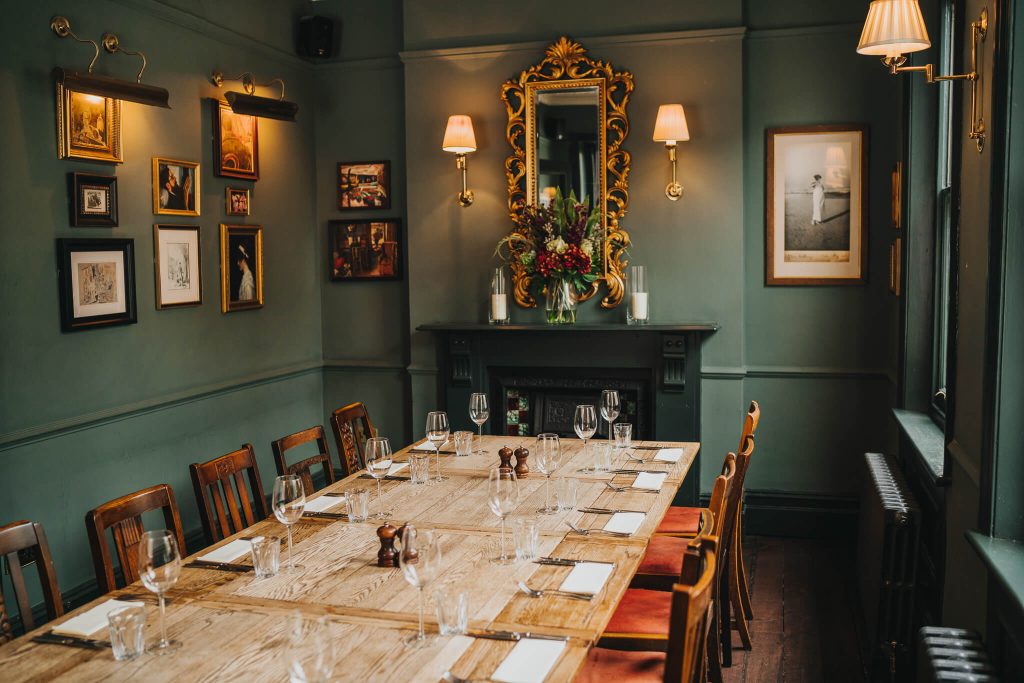
The Morrell Room at The Lady Ottoline in Holborn, for example, charges a £500 minimum spend for up to 16 seated guests, around £31 per person at full capacity. A £3,500 minimum spend for a much larger venue may look reasonable in isolation, but for 20 guests it becomes £175 per person.
This calculation is much easier when the pricing model is visible before you enquire. On Tagvenue, every listing shows whether the price is a hire fee, minimum spend, per-person rate or hourly charge, so you can run this calculation straight from the search results.
Why finding the right venue for a small wedding can be difficult
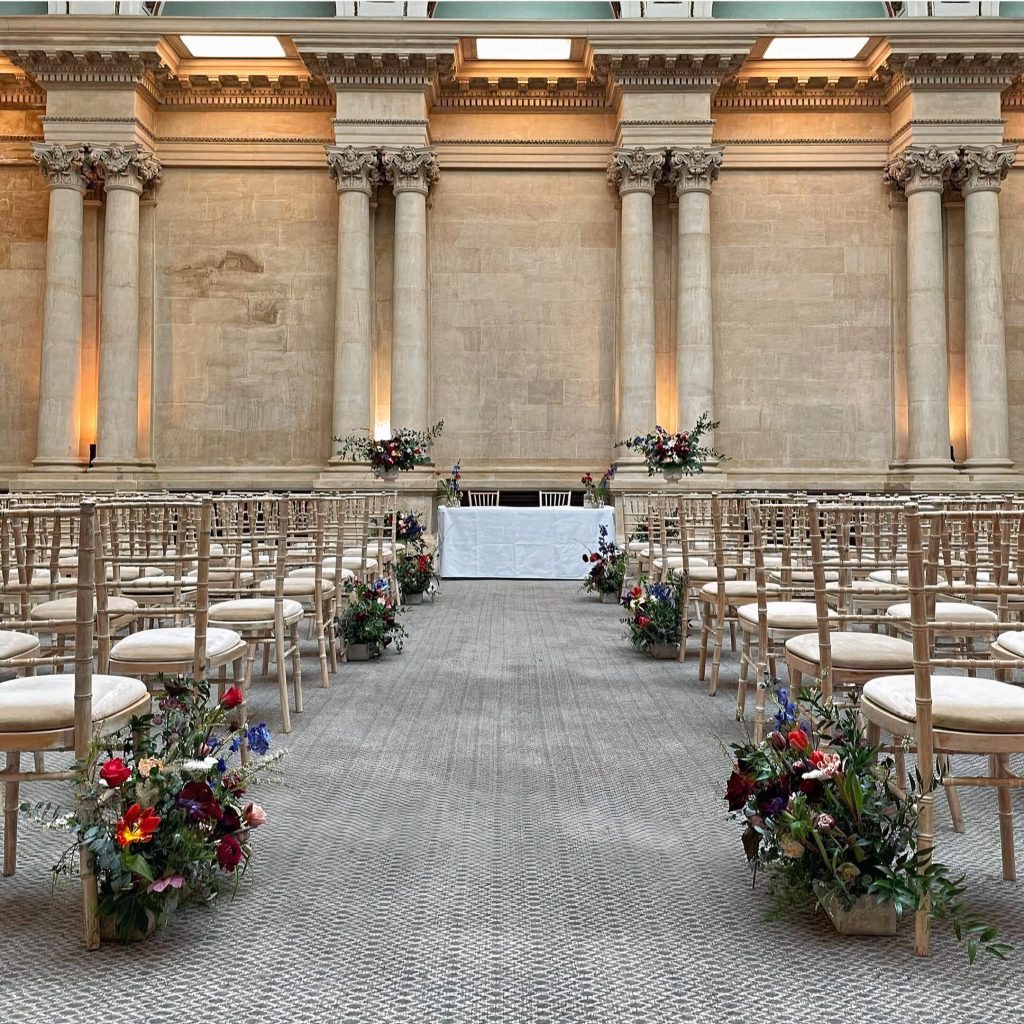
Many wedding venues are designed, priced and staffed for 80–150 guests. A couple with 20 often hits minimums built for a much larger event.
A smaller guest list gives you more venue possibilities, but it can also make traditional wedding venues a poor fit. Many are set up around larger celebrations, with room sizes, minimum guest numbers and packages designed accordingly.
Common problems include:
- Minimum guest numbers. Some wedding packages are priced around a minimum number of guests, which can leave a couple with 20 people effectively paying for places they do not need.
- Oversized rooms. A ballroom designed for 100 guests can feel sparse with 20, even if the venue is willing to accommodate the booking.
- Whole-venue pricing. Exclusive-use country houses, barns and other traditional venues may charge the same hire fee whether 25 or 125 people attend.
- Packages built for bigger weddings. Evening food, entertainment, large dance floors and other inclusions may add cost without adding much value to a very small celebration.
In UK wedding-planning Facebook groups, couples looking for venues for around 10–30 guests regularly ask for recommendations for spaces that feel intimate without a full wedding package. The recurring problem is finding a cheaper wedding venue; it’s finding a different size or type of space.
That might mean:
- one room inside a hotel or historic building
- a private dining room
- a pub function room
- a café or restaurant space
- a cinema or screening room
- a garden or terrace
- a short-hire space rather than full-day exclusive use
The same principle applies within larger venues. The Committee Room at L’oscar London seats up to 26 guests in an oak-panelled private room inside a much larger hotel. It gives a small wedding the character of a grand property without requiring the couple to hire the whole venue.
The practical shift is simple: start with your guest count, budget and the kind of space you need, rather than starting with a list of places marketed as wedding venues.
Discover the best places to get hitched in top cities:
What makes a good micro-wedding venue?
A good micro-wedding venue is not simply one that allows 20 guests. It should feel right at that size, give you the privacy you want and have terms that make sense for a small group.
Before booking check:
- Seated capacity, not maximum capacity. A venue’s headline capacity may refer to a standing reception. Check how many people it comfortably seats for the meal.
- Privacy. “Private hire” can mean anything from your own room to exclusive use of the whole venue. Ask whether you will share bars, toilets or outdoor areas with other guests.
- Pricing model. Check whether the space is charged by hire fee, minimum spend, per person or by the hour — and whether that works for your numbers.
- Food and drink. Find out what counts towards any minimum spend, whether external catering is allowed and whether there are corkage or BYO charges.
- Layout and turnaround. If the same room will host the ceremony and meal, ask how it will be reset and where guests will go in between.
- Music and finishing time. Check whether there is room for dancing, any sound restrictions and how late the celebration can continue.
- Accessibility and transport. Consider step-free access, accessible toilets, parking and how easily guests can get home.
- Ceremony requirements. If you want the legal ceremony at the venue, check the rules for your part of the UK and confirm the exact space you intend to use.
Do you need the venue for the legal ceremony?
This decision can make a big difference to your venue options.
In England and Wales, if you want the legal ceremony and reception in the same place, confirm that the specific room or space is approved for marriages. On Tagvenue, the wedding-licence filter can help narrow the search.
If you complete the legal ceremony separately at a register office, you can consider a much wider range of reception spaces, including restaurants, pubs, cafés, galleries and other venues that do not host legal ceremonies.
What types of venues work for a micro wedding?
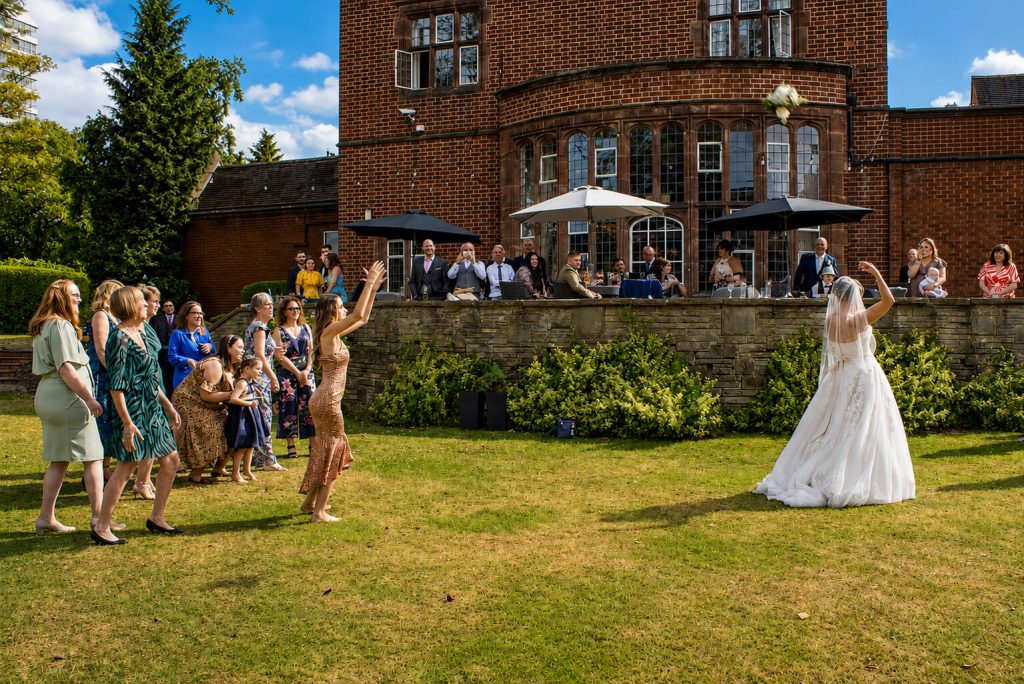
A micro wedding expands your options because you can search for the right room rather than the right property. For 10–30 guests, that may mean using part of a larger venue or choosing a space that is not primarily marketed for weddings.
| Venue type | Why it can work | What to check |
| A room within a larger venue | Gives you the atmosphere of a hotel, historic building or other major venue without hiring the whole property | Whether the room is private, its seated capacity and whether it can host the ceremony |
| Private dining room | Naturally suited to small groups and often priced by minimum spend or per person | Minimum spend, privacy and service charges |
| Restaurant or café | Food, staff and furniture are already in place | Buyout terms, privacy and whether the space works for the whole celebration |
| Pub or bar room | Relaxed and often available at relatively low minimum spends | Noise, music, privacy and closing time |
| Cinema or screening room | Small, self-contained and memorable; useful for films, speeches or slideshows | Catering, ceremony suitability and what other spaces are included |
| Gallery or museum | Characterful setting without needing a traditional wedding venue | Catering restrictions, décor rules and hire hours |
| Garden, terrace or courtyard | Works especially well for drinks, dining or a small outdoor celebration | Weather backup, privacy and ceremony arrangements |
| Boat | A small guest list can make an unusual venue practical rather than expensive | Seated capacity, timing, accessibility and weather |
| Boutique hotel | Can combine ceremony, meal and accommodation in one property | Which specific rooms are available and any package minimums |
| Traditional wedding venue with a small room | You still get a wedding-focused venue without hiring a ballroom or whole estate | Guest minimums, room-level pricing and whether the smaller room is licensed |
The important distinction is not that wedding platforms lack unusual venues. Hitched, for example, includes categories such as pubs and restaurants, historic venues, outdoor venues and unique spaces. The difference is how precisely you can narrow the physical space itself.
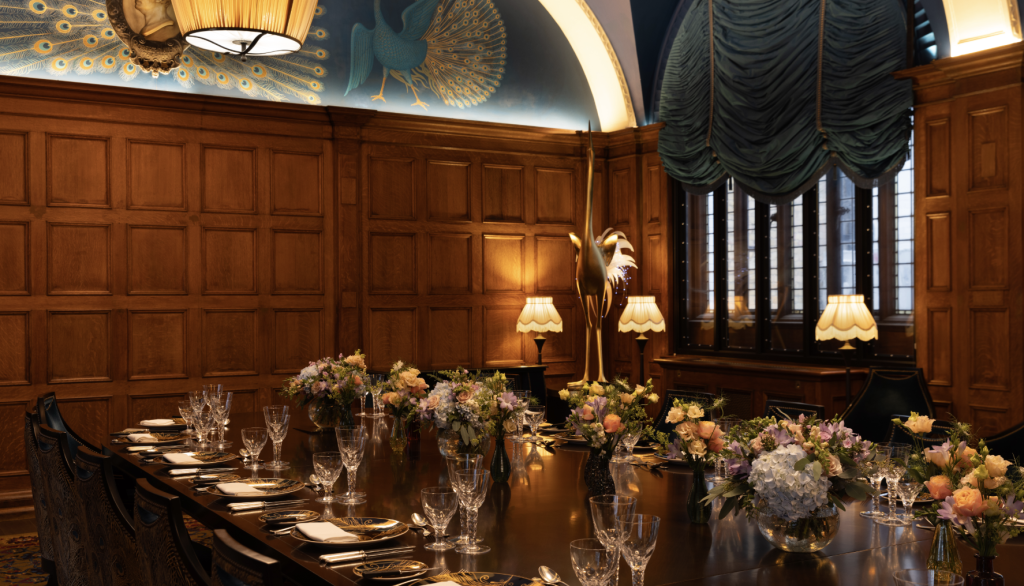
On Tagvenue, venue type can be combined with capacity, budget and area type — such as whole venue, private indoor room or private outdoor space — which makes it easier to find something like a 20-person room inside a much larger property.
Which platforms work best for finding a micro-wedding venue?
The venue is usually the single biggest wedding expense, so finding a space that fits your numbers efficiently matters. Bridebook’s 2026 data puts average UK venue hire at £6,040, ahead of catering. For a micro wedding, paying for capacity, exclusive use or packages designed for a much larger celebration can therefore have a disproportionate effect on the budget.
Different platforms are useful for different parts of the wedding-planning process. Hitched and Bridebook combine venue discovery with wider planning tools; Coco Wedding Venues offers curated, style-led discovery; Tagvenue focuses more closely on finding and comparing the physical space itself.
For a micro wedding, that distinction matters because the best option may be a private room, restaurant, pub, garden or part of a larger venue rather than a property marketed primarily as a wedding venue.
Wedding platform comparison for micro and affordable weddings
| Hitched | Bridebook | Coco Wedding Venues | Tagvenue | |
| Main focus | Wedding planning and venue discovery | Wedding planning and venue discovery | Curated wedding venue discovery | Venue search and comparison |
| How you find venues | Wedding directory with detailed wedding focused filters | Planning-led venue search | Curated by venue type, capacity and wedding style | Detailed filter-led search across event and wedding spaces |
| Small wedding capacity | Broad bands; smallest observed search band was 0–99 | “Under 50 guests” available during onboarding | Dedicated bands including 2–20 and 20–40 | Capacity filters from 10 guests, combined with budget, area type and venue type |
| Budget search | No budget filter observed | Broad budget preferences during onboarding | No budget filter observed | Budget filtering available |
| Pricing information | Some venues show “from” prices | Pricing information included in venue recommendations/listings | “From” prices, often with useful context about the package or date | Price shown with the pricing model, such as hire fee, minimum spend, per person or hourly |
| Space and privacy | Exclusive-use options | Limited space-level refinement observed in the reviewed flow | No area-type filter | Whole venue, private, semi-private, shared and outdoor area options |
| Venue choice | Broad wedding categories, including pubs, restaurants and unusual venues | Wedding-focused venue recommendations | Curated wedding venues across a wide range of styles | Broad event and wedding inventory, including individual rooms within larger venues |
| Planning tools | Extensive | Extensive | Planning content and venue enquiry tools | Venue enquiry and messaging rather than a full wedding-planning suite |
| Best for | You want venue search alongside the wider wedding plan | You want guided planning and venue recommendations | You want curated, style-led inspiration | You have specific requirements for capacity, budget, privacy and type of space |
For the venue search itself, Tagvenue gives micro-wedding couples more control. Wedding-planning platforms start with the wedding and help you find a venue along the way. Tagvenue starts with the space: its size, price, privacy, layout and practical requirements. When your guest list is 20 rather than 120, that’s the search you need.
Search micro-wedding venues on Tagvenue:
Why Tagvenue is the best place to start a micro-wedding venue search
For a micro wedding, Tagvenue is most useful when you already know the practical limits of the day: how many people are coming, what you can spend, how private the space needs to be and whether the legal ceremony will happen there.
The search can then be narrowed by:
- Capacity, date, price and location
- Area type: whole venue, private indoor space, semi-private area, shared space, private outdoor space or semi-private outdoor area
- Venue type: including hotels, restaurants, pubs, cafés, galleries, museums, country houses, boats and more
- Layout: seated, standing, dining, theatre and other room arrangements
- Food and drink: venue catering, external catering, BYO alcohol, corkage and related requirements
- Menu requirements: including vegetarian, vegan, halal, gluten-free and kosher options
- Accessibility: wheelchair access, step-free entrances, accessible toilets, lifts and parking
- Other practical needs: wedding licence, music, dance floor, outdoor space, DJ permissions and cancellation flexibility
All of this matters because a 20-person wedding is often less about finding a venue labelled “small wedding” and more about finding a specific room that works for 16, 20 or 30 people.
Example: Searching for a wedding for 20 guests
A couple could search by:
- Setting the capacity to around 20 guests
- Choosing their location
- Setting a realistic budget
- Selecting a private room rather than a whole venue
- Choosing relevant venue types, such as restaurant, hotel, pub or gallery
- Selecting a dining layout
- Adding catering or accessibility requirements
- Switching on the wedding-licence filter if the legal ceremony needs to take place there
The result is a search based on what the couple actually needs, rather than on a broad category such as “wedding venue”.
Tagvenue focuses on the venue. For guest lists, suppliers and checklists, pair it with a planning platform such as Hitched or Bridebook. Some of the most interesting small spaces are reception-only, so use the wedding-licence filter if the ceremony needs to happen there too.
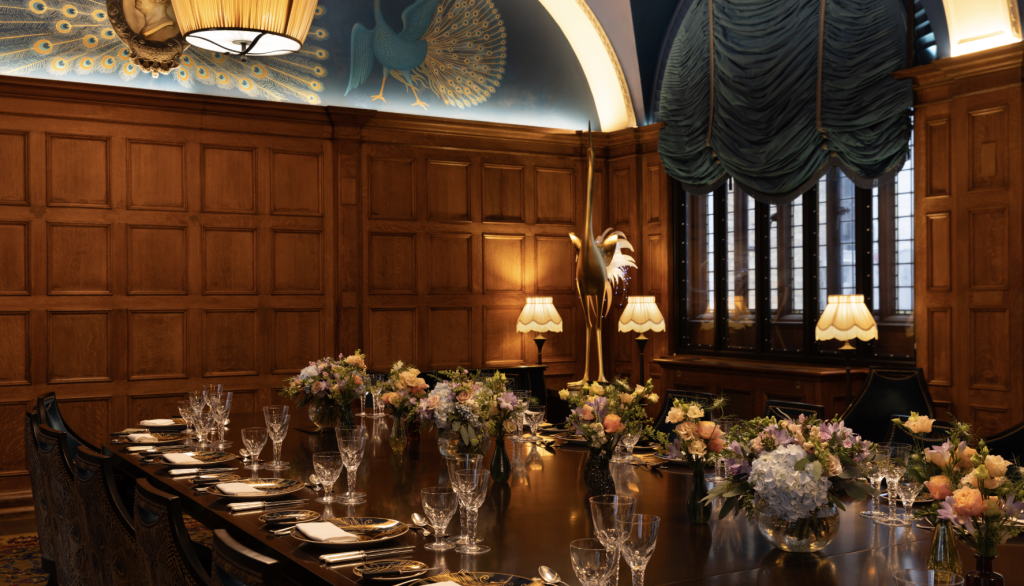
The Library in The Chesterfield Mayfair can accommodate up to 20 seated guests for an intimate wedding.
What this search can lead to on Tagvenue:
| Venue | Location | Capacity | Pricing | What it shows |
| The Oratory, The Milestone Hotel | London | 8 | Per person | Very small-scale hotel space |
| The Morrell Room, The Lady Ottoline | London | 16 | Minimum spend | Private room with pricing suited to a small group |
| Whole Boat, The Boathouse London | London | 12 | Hire fee | Unusual venue at micro-wedding scale |
| The Library, The Chesterfield Mayfair | London | 20 | Hire fee | Traditional but right-sized |
| The Screening Room, King Street Townhouse | Manchester | 20 | Hire fee | Non-traditional room within a larger hotel |
| Screen 5.5, Everyman Leeds | Leeds | 32 | Short hire | Space that can be booked for part of the day |
The useful part is not any one venue on this list. It is that the same search can move between a hotel room, pub room, boat, cinema or other small space while keeping the guest count and budget fixed.
How to choose a micro-wedding venue
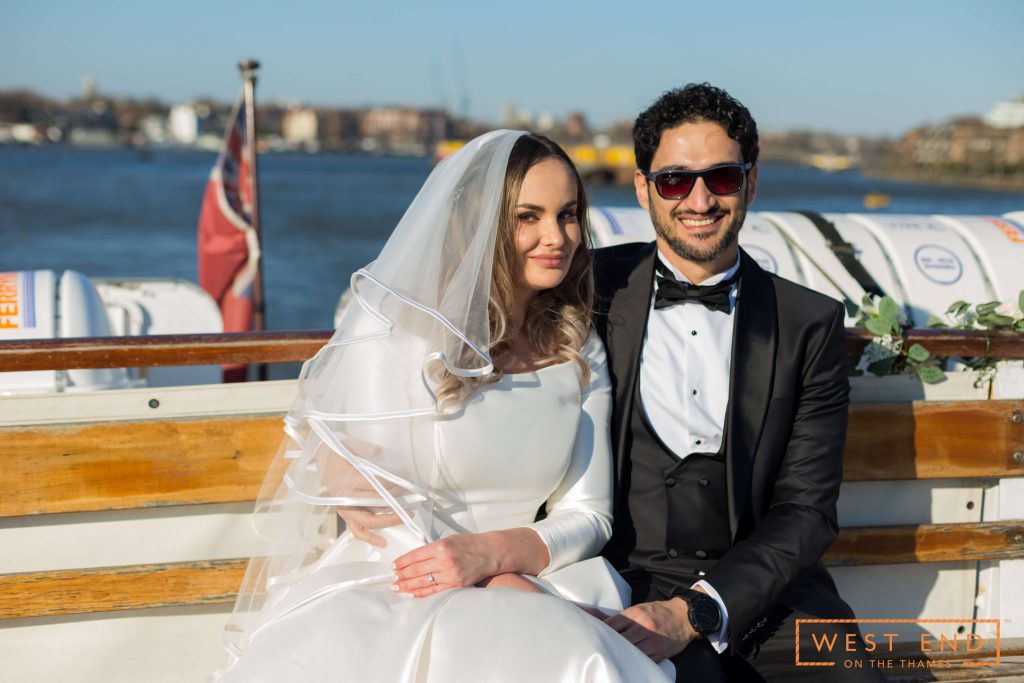
Once you have a shortlist, compare the venues on what will actually affect the day — and the final bill.
- Check the space works at your actual guest count.
Look at seated capacity and room layout, not just the maximum number the venue can hold. A room that technically accommodates 80 may still feel oversized for 20. - Work out the real venue cost.
Compare the hire fee, minimum spend or per-person rate, then add anything that is not included: catering, drinks, service charges, corkage, equipment or extra hours. The venue is usually the largest single wedding expense, so this is where an efficient choice can make a substantial difference to the overall budget. - Decide how much privacy you need.
A private room may be enough; you may not need to pay for exclusive use of the whole venue. Confirm which areas, entrances, bars, toilets or outdoor spaces are shared. - Confirm how the ceremony fits into the day.
If the legal ceremony takes place there, check the exact room and arrangements. If it happens elsewhere, look at travel time and how easily guests can move between the ceremony and reception. - Check the practical details.
Make sure catering, accessibility, music, finishing time, parking or transport and any outdoor backup plan work for your group. - Compare what you are getting, not just the headline price.
A £1,000 venue that includes furniture, staff and catering facilities may be better value than a £700 space that requires several extras. For a micro wedding, the most efficient venue is usually the one that fits the group naturally rather than one you have to adapt down from a much larger wedding.
Before booking, ask each shortlisted venue for a final quote based on your actual guest count, date and plans. That gives you a like-for-like comparison rather than relying on “from” prices.
You may also like:
- How to Choose a Wedding Venue: The Complete Guide
- Top 40+ Questions to Ask a Wedding Venue Before Booking in 2026
- The Top 3 Tips for Planning Your Dream Wedding Menu
- Wedding Cost Index 2026: Real Wedding Prices, Guest Numbers & Booking Timelines (UK, US & Australia)
FAQs about micro-wedding venues
How many guests is a micro wedding?
There is no fixed definition, but in the UK a micro wedding generally means a very small wedding, often with fewer than 30 guests. For this guide, we use around 10–30 guests.
Are micro weddings cheaper?
Usually in total, but not necessarily per guest. Many wedding costs are fixed, so the biggest savings come from choosing a venue and pricing model that work efficiently for a small group rather than paying for unused capacity.
What is the best way to find a venue for 20 guests?
Search by your seated guest count, budget and required level of privacy rather than starting only with traditional wedding venues. Consider private dining rooms, individual hotel rooms, pubs, restaurants, galleries and other small event spaces as well as dedicated wedding venues.
Which website should I use to find a micro-wedding venue?
For the venue search, use Tagvenue. It lets you narrow a broad range of spaces by capacity, budget, venue type, privacy and pricing model, which suits a small guest list. Hitched and Bridebook are useful alongside it for guest lists, suppliers and wider planning.
Can you get married in a pub or restaurant?
Sometimes. In England and Wales, if you want the legal ceremony there, confirm that the specific space can legally host it. Otherwise, you can complete the legal ceremony separately and use the pub or restaurant for the celebration. Scotland operates differently, so confirm the arrangements with your registrar or authorised celebrant.
Can you hire just one room instead of a whole wedding venue?
Yes. Hotels, restaurants, historic buildings and other venues often hire individual private rooms. For a micro wedding, this can provide the setting you want without paying for exclusive use of a much larger property.
Do you need exclusive use for a micro wedding?
Not necessarily. A private room can give a small wedding enough privacy without the cost of hiring the entire venue. Check exactly which facilities or areas will be shared with other customers before booking.
What should you check before booking a micro-wedding venue?
Confirm the final price for your date and guest count, seated capacity, privacy, catering and drinks terms, accessibility, music and finishing times, and how the ceremony will work. If the legal ceremony takes place there, confirm the status of the specific room or space, not just the property.
Related articles
See all
How Hannah and Ben Planned Their Dream Wedding in Just 8 Weeks at Careys Manor & SenSpa