Marketing Ideas for Your Event Space: Practical Strategies to Attract More Bookings


If you’re new to a venue marketplace, you’re probably asking yourself one very reasonable question:
“How do I make this work for me and how do I actually get more bookings?”
Some things feel obvious: good service, a strong reputation, and a unique selling point, whether that’s a specialized cuisine, a great view, or an experience guests can’t get elsewhere. But if those things alone guaranteed bookings, many great venues wouldn’t still have empty dates in their calendars.
The short answer?
Marketing your space takes more than simply being good at what you do.
In this article, we break down the most practical, straightforward venue marketing strategies, the kind that actually help your space get discovered, understood, and booked. This applies whether you run a restaurant, bar, meeting room, garden space, private property, or something that doesn’t fit neatly into a box.
And because we’ve spent over a decade working with venues and event planners, the focus here is on what works in practice, not theory.
- Why Venue Marketing Is Different?
- Set Up Your Digital Foundation Before Anything Else
- Build a Website That Helps People Decide
- Show the Full Potential of Your Space
- Invest in Photography and Video
- Collect Reviews Early and Use Them Properly
- Use Social Media for Discovery, Not Noise
- List on Event Venue Directories
- Venue Marketing Ideas by Event Space Type
- Retention: Don’t Start From Scratch Every Time
- Conclusion: Market the Possibilities, Not Just the Space
- FAQ
Claim Your Spot & Boost Bookings
Highlight what makes your space stand out, drive qualified leads, and turn interest into confirmed bookings.
Why Venue Marketing Is Different?
One of the biggest challenges venue managers face is that event marketing works differently from hospitality marketing.
Many guests find restaurants and bars casually: walking past, Googling nearby spots, or following friends’ recommendations. Event planners, or anyone planning an important event, behave differently.
They typically:
- Compare multiple venues at once
- Possibly search by event type, not venue type
- Need clarity fast (capacity, layout, photos, suitability)
If your venue isn’t positioned for that kind of discovery, its quality alone won’t be enough to make it visible. This is where many venues unintentionally limit themselves. But hey, don’t stress, we are here to help you succeed!
Set Up Your Digital Foundation Before Anything Else
Before getting into ads, partnerships, or content, your venue needs a solid base. Make sure your space is easy to find and easy to understand.
Claim and Optimise Your Google Business Profile
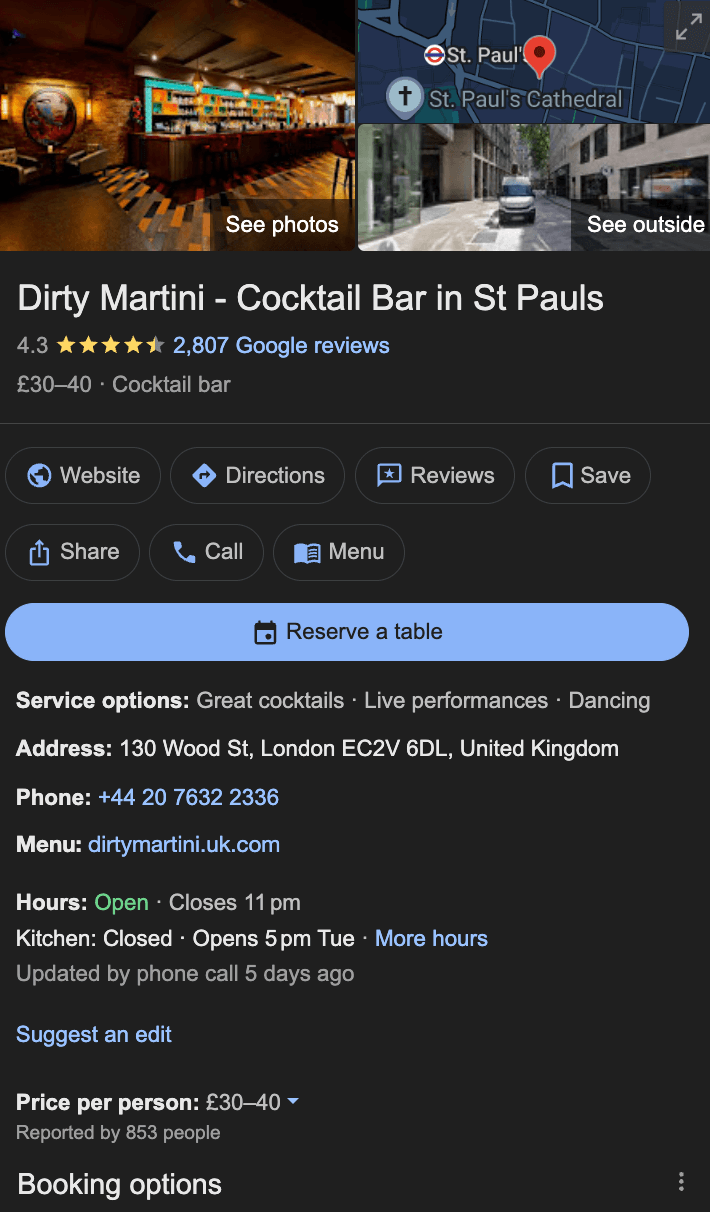
This is one of the simplest but most overlooked venue marketing tools, especially for those new to the market:
A fully optimised Google Business Profile:
- Improves local visibility
- Builds trust quickly
- Often becomes the first impression of your venue
Venues like Dirty Martini, use their profiles to clearly show opening hours, menus, service options, photos, and seasonal offers, making it easier for potential bookers to choose them quickly.
What to prioritise:
- Fill out every detail (address, hours, contact info)
- Upload high-quality photos of your space
- Update seasonally (Christmas hours, summer terraces, refurbishments)
- Respond to reviews, especially the negative ones
For many planners, this attention to detail is often the difference between being shortlisted or skipped, particularly for restaurants and bars.
Build a Website That Helps People Decide
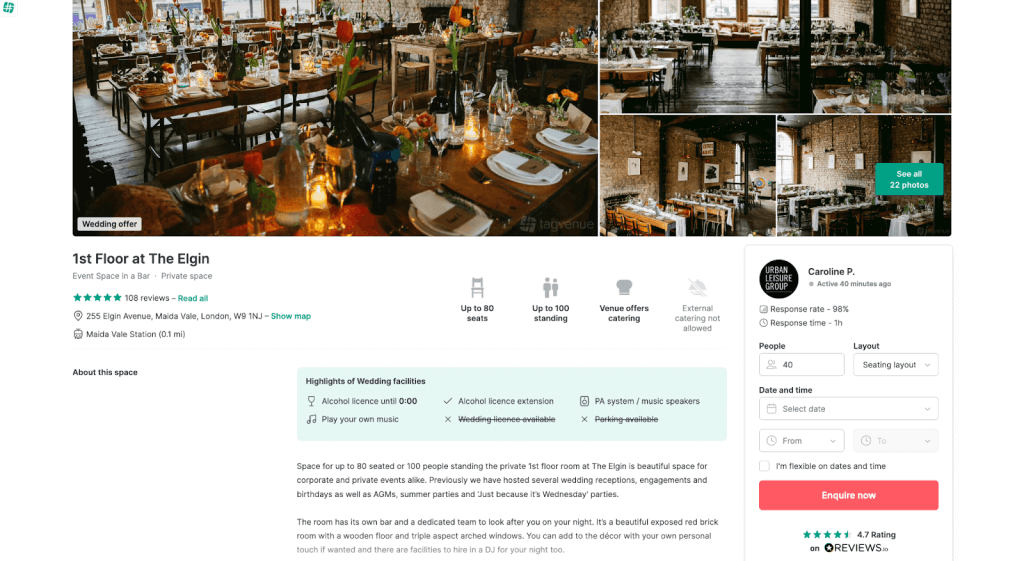
Your website is rarely where planners discover you, but it’s often where they decide whether to enquire.
It should quickly answer:
- What types of events can this space host?
- How many people fit comfortably?
- What’s included?
- What makes this venue worth booking?
- How do I enquire?
From our experience working with and the thousands of venues listed on Tagvenue, the most effective websites clearly show:
- Capacities and layouts
- Catering and drink options
- Real event photos
- Testimonials or other social proof
Seasonal updates also matter. At certain times of the year, searches spike for terms such as Christmas restaurant packages or summer party venues. Keeping your content aligned with demand helps capture that interest. Calls to action play an important role too, so choose them wisely. For example, “Request a quote” is more effective than “Get in touch” every time.
Check out: 5 tips on how to create good seasonal content for more insights.
Show the Full Potential of Your Space
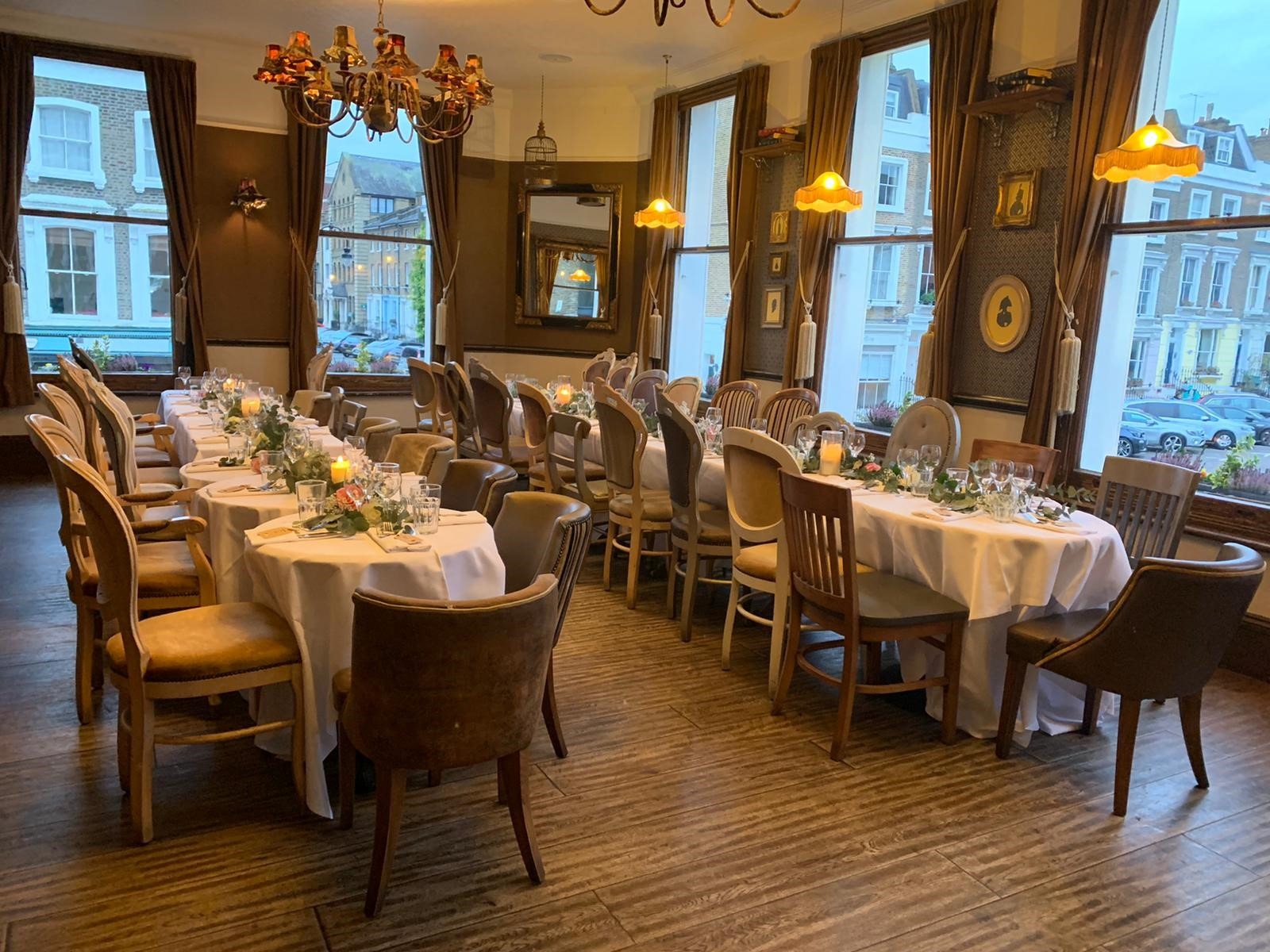
This is where many venues undersell themselves. A restaurant isn’t just a restaurant. A bar isn’t just a bar. Sounds weird, right? One space can host:
- Corporate dinners
- Birthday parties
- Engagement celebrations
- Wedding receptions
- Baby showers
- Live music or talks
Yet, most venues only show a single setup. A great example is The Princess Room at The Princess of Wales. The restaurant space easily adapts to different event formats through layout changes, lighting, and furniture. Showing this range helps planners imagine their event in the space.
Tagvenue tip:
If you manage a private property (apartment, garden, backyard), flexibility is your strongest selling point. Show how the same spce works for different occasions. For example, how a living room becomes a baby shower venue, or how a garden transforms into an intimate wedding setting.
Invest in Photography and Video
This is non-negotiable. It may sound obvious, but it remains one of the biggest barriers to bookings.
Across venue marketplaces, listings with:
- High-quality photos
- Multiple layouts
- Real event images
consistently attract more enquiries. Why? Because event planning is highly visual.
People need to see:
- How the space feels
- How it changes from day to night
- How it works for different occasions
Wide-angle shots, detailed close-ups, short walkthrough videos, and before-and-after photos help planners visualise their event, reducing hesitation and speeding up decisions.
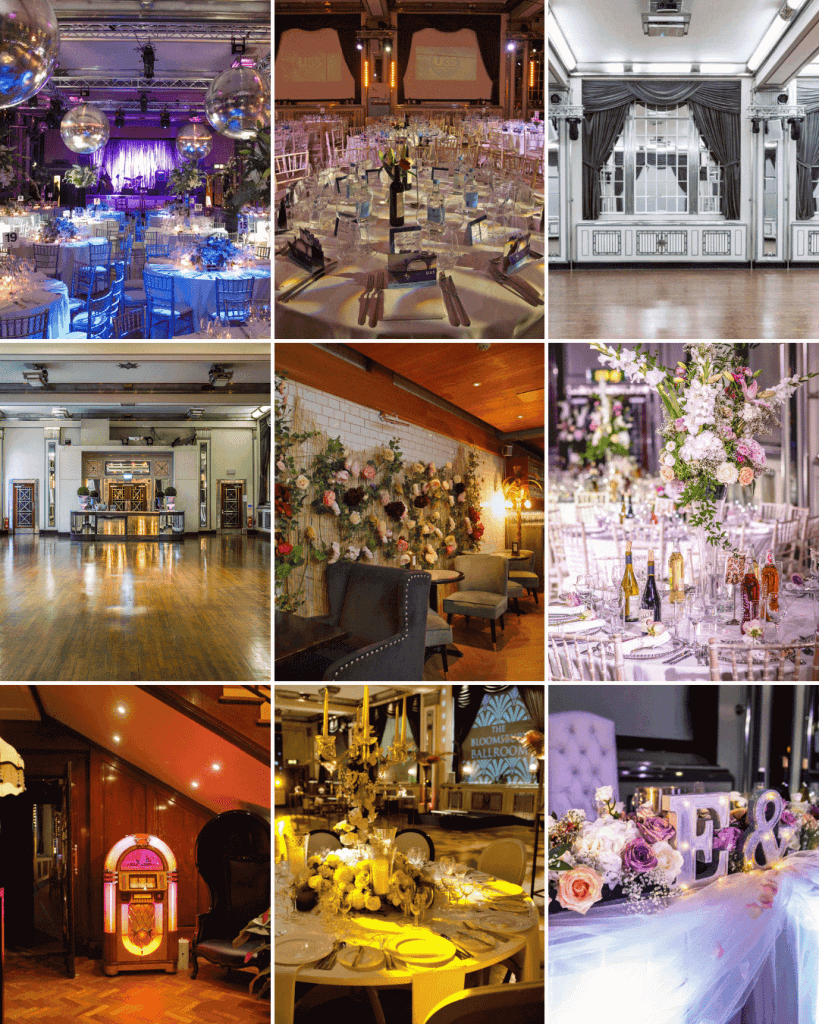
Add a high number of quality images to show your space and the range of events it can host. Venue: The Bloomsbury Ballroom
Collect Reviews Early and Use Them Properly
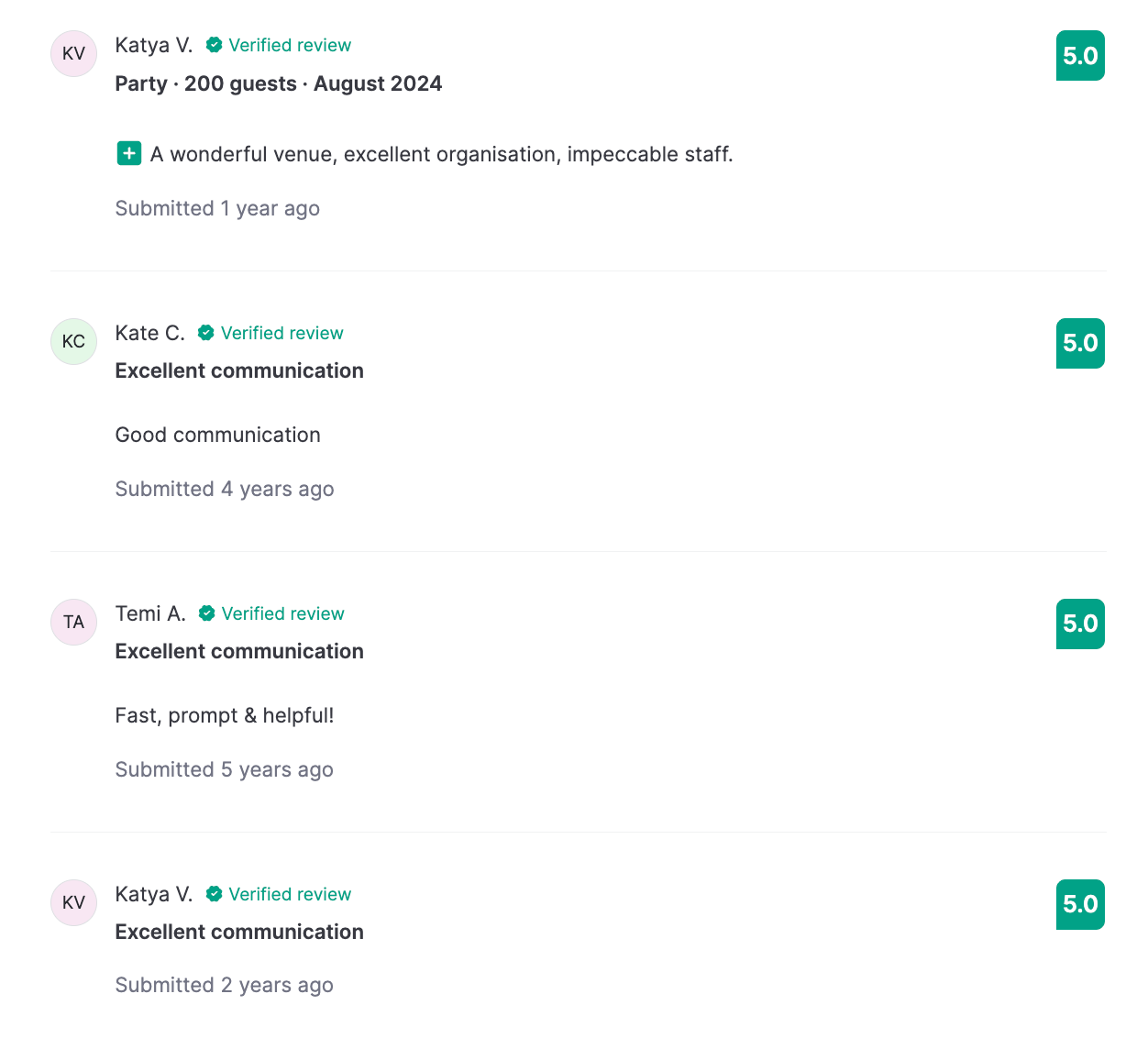
Reviews are digital word-of-mouth. They build trust and influence visibility and conversion.
After every event:
- Send a short follow-up asking for feedback
- Share positive reviews on your website and social channels
- Respond promptly and professionally to negative ones
Ignoring reviews can signal poor service. Responding thoughtfully demonstrates credibility and care.
Positive reviews boost your online visibility through better SEO on Google, Tagvenue, TripAdvisor, and other platforms, and help your venue rank higher in searches for “London pub for events” or “bar hire near me.”
They also provide free, actionable feedback on everything from space setup and staff service to atmosphere and value, helping you refine offerings, fix issues, and elevate customer satisfaction to drive repeat bookings, referrals, and long-term loyalty.
In short: Encourage reviews, respond to them, and showcase them where relevant to attract more enquiries and fill more slots.
Use Social Media for Discovery, Not Noise
Social media works best when it supports discovery rather than constant promotion. You don’t need to be everywhere:
- Instagram and TikTok work well for visually driven spaces such as bars, weddings, and parties
- LinkedIn is more effective for corporate and meeting-focused venues
What to post:
- Real event setups
- Behind-the-scenes preparation
- Before-and-after transformations
- Customer reviews
- Practical tips such as “How to turn a warehouse into a wedding venue”
Posts with images, videos, or carousels consistently outperform text-only content significantly. Showing real setups helps planners visualize events in your space and positions your pub, meeting room, or event area as an ideal choice, without resorting to hard-selling.
List on Event Venue Directories
Many planners don’t start on Google. They start by comparing options on venue marketplaces. Platforms like Tagvenue support venue marketing by:
- Allowing you to list multiple areas within one venue
- Positioning your space across different event types, not just venue categories
- Letting planners filter by capacity, layout, and occasion
This matters. A restaurant on Tagvenue doesn’t just appear as a restaurant but can also appear as:
- A wedding venue
- A birthday venue
- A corporate event space
- A Christmas venue
- A bachelor party venue
That expanded visibility helps venues generate enquiries without relying solely on ads, SEO, or social media.
More Enquiries, More Revenue
Gain instant exposure to event organizers, showcase your unique venue, and watch bookings grow. Your next event is waiting
Networking, Partnerships, and Events
Build relationships to fuel word-of-mouth and referrals.
Connect with photographers, florists, DJs, and caterers for mutual referrals. Joint events, styled shoots, or preferred supplier lists and packages help extend reach. For example, a bar partnering with a band can position itself as a ready made gig venue.
Invite planners to experience your space first-hand. Tailor events for specificniches, such as a restaurant setup for corporate lunches or birthday setups. Collaborating with suppliers on styling adds credibility and increases referral potential.
These are low-cost marketing activities that demonstrate the potential of your space.
Venue Marketing Ideas by Event Space Type
Every venue is unique: its layout, decor, location, and amenities determine which marketing angles resonate most. Platforms like Tagvenue let you tailor listings using filters (e.g., minimum spend for pubs, AV tech for meetings, or event planning for weddings), and boost visibility to help event planners find suitable spaces faster. Let’s take a look at how you can make your event venue stand out.
Restaurants & Bar
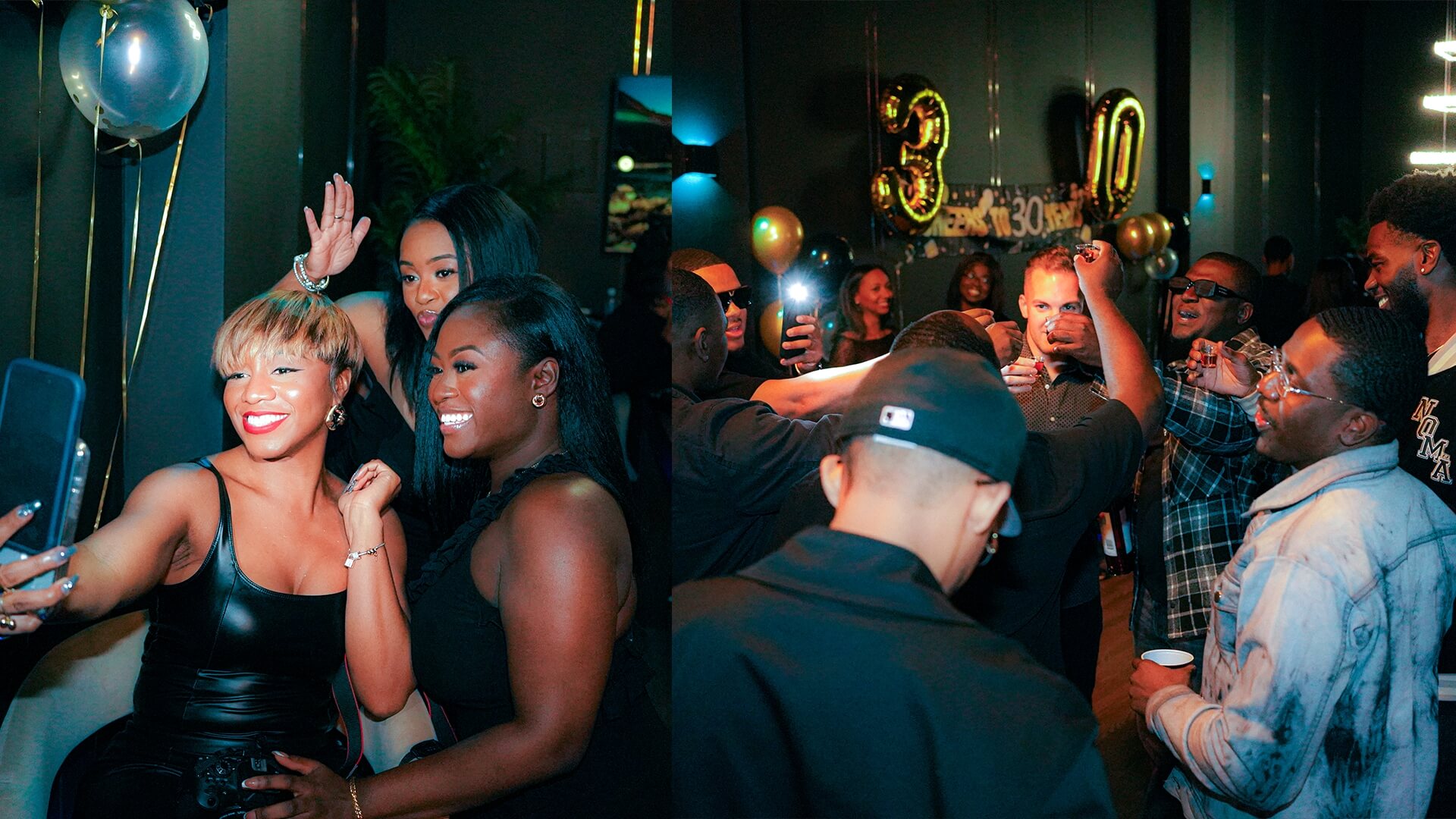
Focus on layout flexibility. Show how spaces transition from casual dining to exclusive private hire. Highlight add-ons such as DJ setups, karaoke nights, themed menus, or cocktail masterclasses to boost booking value. Once listed on Tagvenue, emphasize private rooms, bar packages, and minimum spends. Use event and food photography to attract birthday parties, corporate drinks, and social gatherings. Planners love venues that turn everyday spots into memorable experiences.
Meeting Rooms
Prioritize tech and productivity. Promote high-speed WiFi, AV equipment, whiteboards, breakout areas, natural light, and hybrid setup options. Offer clear, all-inclusive packages, such as day delegate rates with catering, to simplify planning for busy corporate clients.
Private Properties
Emphasize intimacy, flexibility, and home-like comfort. Position these spaces as exclusive-use options for low-key, personalized events without venue restrictions. Highlight privacy, customisable decor, and ease of access, such as parking or public transport. On Tagvenue, you can even list your space in the unusual/unique venues category and showcase adaptable interiors to attract planners wanting personal and non-traditional settings.
Wedding Venues
Show styled shoots to demonstrate versatility. Feature different themes, such as rustic, elegant, boho, across seasons to communicate year-round appeal. Include outdoor and indoor options, ceremony-to-reception flow, and packaged catering where relevant.
Gig Venues
Promote acoustics, stage setups, lighting, and sound systems, and capacity. Build partnerships with local bands, promoters, or DJs for cross-promotion. Share event recaps, artist testimonials, and behind-the-scenes content to attract performers and fans.
Birthday & Baby Shower Venues
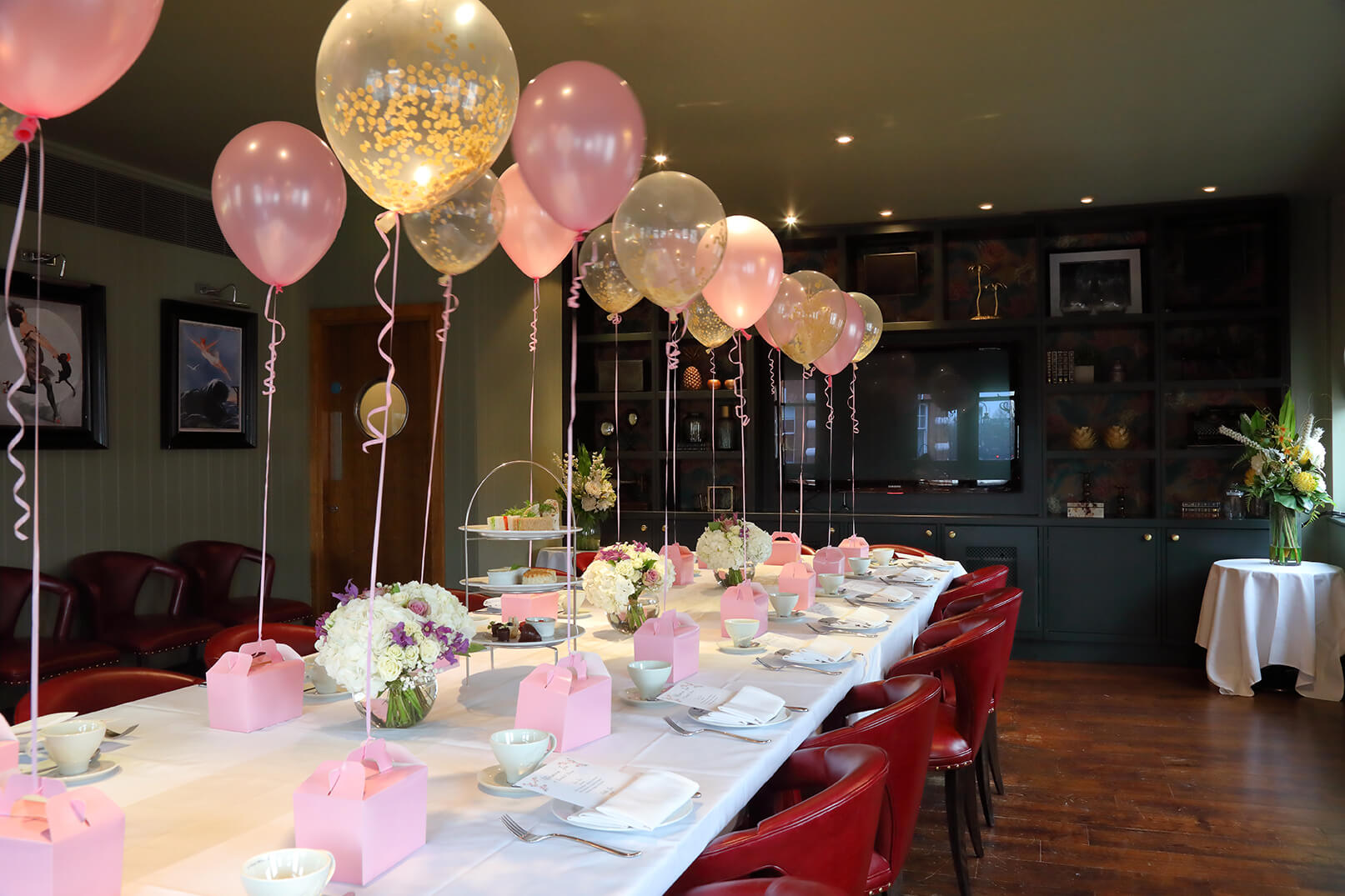
Focus on customisation, comfort, and low-stress planning. Highlight easy decor changes, family-friendly layouts, kid zones, and simple packages covering food and drinks. Use imagery that conveys warmth and welcoming vibes. Tagvenue supports party/birthday filters as well as a dedicated baby shower category, supporting more accurate local search visibility.
Takeaway: Tailor each approach to your venue’s strengths, update listings regularly with new photos and reviews, and track what drives enquiries.
Retention: Don’t Start From Scratch Every Time
Repeat clients are easier to convert and often spend more.
Simple retention tactics include:
- Email newsletters with availability or seasonal offers
- Loyalty discounts
- Bundled add-ons for future events
Your past clients are one of your most effective marketing assets.
Conclusion: Market the Possibilities, Not Just the Space
These marketing ideas for your event space, from digital fundamentals to targeted positioning can help you attract bookings. By demonstrating expertise and focusing on client needs, you’ll build a solid identity. Start small, track what works, and refine as you go. Ready to expand your reach? Explore platforms like Tagvenue to list your spaces and connect with planners effortlessly.
Start Growing Bookings Today
Showcase your unique space, attract serious inquiries, and fill your calendar faster.
FAQ
What are some quick venue advertising ideas for beginners?
Start with Google Business Profile, professional photography, and social media posts showcasing your space’s versatility. These low-cost steps boost local discovery.
How can I market a multi-use event space effectively?
Highlight different areas for various events—e.g., a restaurant’s terrace for parties. Listing sub-spaces on platforms like Tagvenue improves visibility to diverse clients.
Why is networking important in venue marketing?
Strong partnerships lead to referrals from planners and vendors, turning discovery into bookings. Host events to build these relationships organically.