London Pub & Bar Private Hire Pricing: Smart Strategies for Setting Rates that Attract Bookings


If you’re a venue manager in London new to offering your pub or bar for private hire, setting the right price, especially when listing on a platform for the first time, can feel overwhelming. But don’t worry, we’ve got the solutions right here in this article.
Charge too much, and you risk scaring people away. Charge too little, and you undercut your business and your busiest nights. The good news is that most successful London pubs follow a few clear pricing principles. Once you understand them, pricing becomes easier and more predictable, which is especially important at a time when, as widely reported in the UK, operating costs across the hospitality sector are rising. As a result, many pubs are now reassessing their pricing models.
Getting your pricing right now helps you protect your margins, stay competitive, and avoid making rushed price changes later.
This guide breaks down:
- The most common pub pricing models in London
- Realistic price ranges
- How location and demand affect pricing
- How to set a price that attracts bookings and protects your margins
- Popular Pricing Models for Pubs and Bars in London
- Popular Pub Bar Pricing in London, According to Tagvenue Data
- Does Location Affect Pricing?
- Location, Event Needs, and Your Crowd
- Other Factors that Influence Pub Pricing
- Using Event Packages to Increase Revenue
- A Simple Way to Set Your Own Price
- Final Thought: Pricing is not Guesswork
Popular Pricing Models for Pubs and Bars in London
There’s no one-size-fits-all pricing model. The right approach depends on your space, your audience, and the type of events you host most often. Many successful pubs use different pricing models for different situations.
The table below compares the most common pricing models used by pubs and bars in London, including when each works best.
| Pricing Model | Typical Price Range | Best Used When | Main Pros | Main Cons |
| Minimum Spend | £300–£2,000+ | Social events, drinks-led bookings, peak times | Guarantees bar revenue, feels fair to guests, flexible by time/date | Can deter smaller budgets if set too high, needs clear communication |
| Hire Fee | £150–£1,000+ | Fully private rooms, non-drinking events, and added setup required | Clear upfront cost, predictable income | Can feel less attractive, may reduce casual enquiries |
| Per-Person Pricing | £25–£80+ per guest | Corporate events, dining-focused bookings, Christmas parties | Easy to budget, predictable revenue, fast decisions | Less flexible if numbers change, may limit bar spend upside |
Minimum Spend:
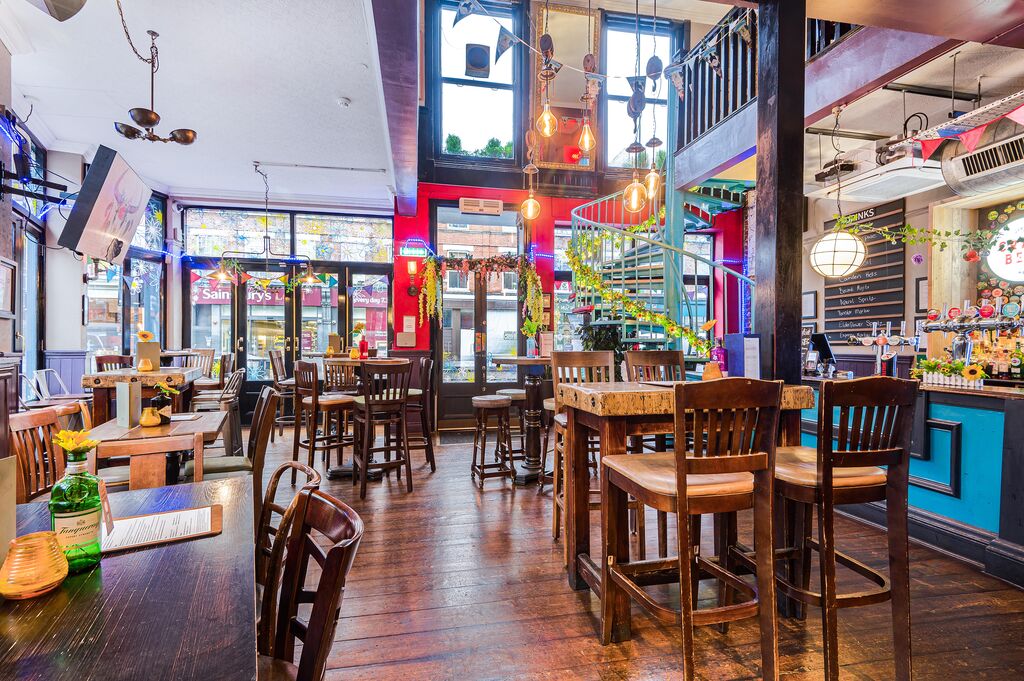
Typical range: £300–£2,000+ depending on location, size, and demand.
If you’re new to venue hire, it’s important to know that most pubs and bars in London don’t charge a flat hire fee. Instead, they usually work with a minimum spend.
What Is a Minimum Spend? A minimum spend means the guest commits to spending a certain amount on drinks and food rather than paying for the space itself.
For example:
- An £800 minimum spend means the group must spend at least £800 at the bar during their event.
- If they reach this sum, there’s no extra venue hire cost.
- If they don’t, the group must pay the difference.
Pros: This model works well for pubs because you guarantee revenue, avoid empty rooms, and guests feel like they’re “paying for the experience,” not the space. These benefits may help explain why minimum spend pricing is the most common approach for pub bars in London on Tagvenue.
Cons: On the downside, minimum spend pricing can discourage smaller or lower-budget events if set too high. It also relies on clear expectations. Guests need to understand exactly how the spend works. During quieter periods, inflexible minimums can reduce bookings, which is why many pubs adapt their pricing by time and demand.
From a risk perspective, minimum spend pricing creates a shared responsibility between the venue and the guest. The venue takes on some uncertainty around how much guests will actually consume, while the guest commits to reaching a baseline spend. When set correctly, this balance works well for drinks-led events where spend tends to scale naturally with group size and duration.
Hire Fee:
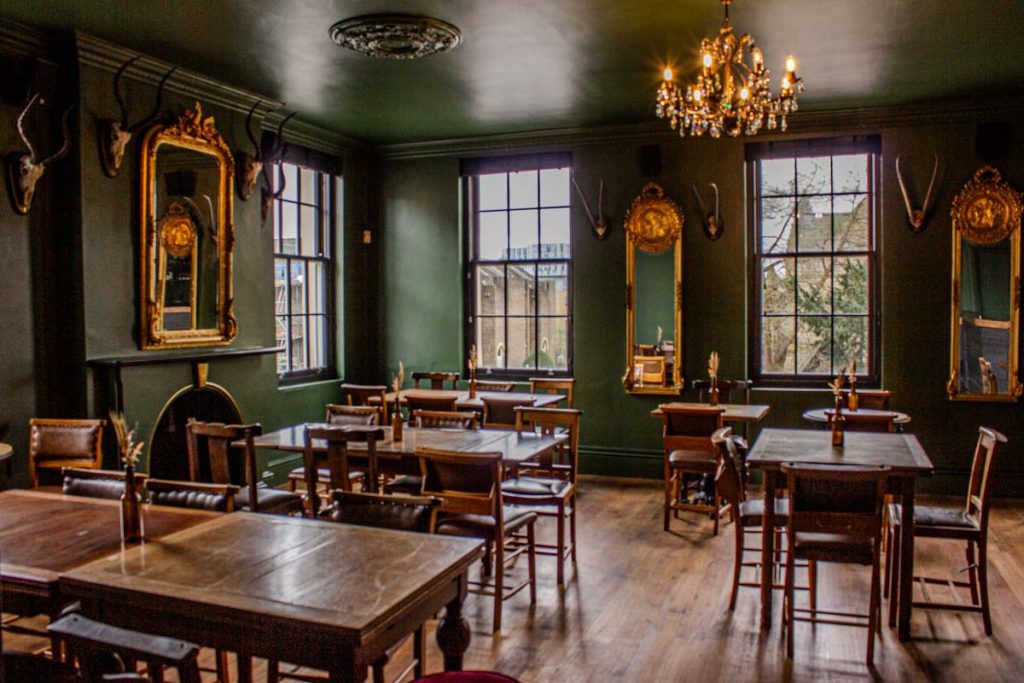
Typical range: £150–£1,000+ per event, depending on location, size, and demand.
Some pubs and bars charge a fixed hire fee for the space, either on its own or alongside a minimum spend. This model is more common when the space is fully private, the room is not normally open to the public, or the booking requires additional setup, staffing, or equipment.
Pros: You have a clear, upfront cost for guests, guarantee income regardless of bar spend, and it works well for structured or non-drinking-focused events.
Cons: It can feel less attractive than spend-based pricing, it may reduce bookings for more casual social events, and it often still needs to be paired with a bar spend expectation to maximise revenue.
With a hire fee, most of the financial risk sits with the guest. The venue secures income regardless of bar performance, making this model particularly suitable when walk-in trade is displaced or when the booking requires additional setup, staffing, or operational complexity.
Per-Person Pricing
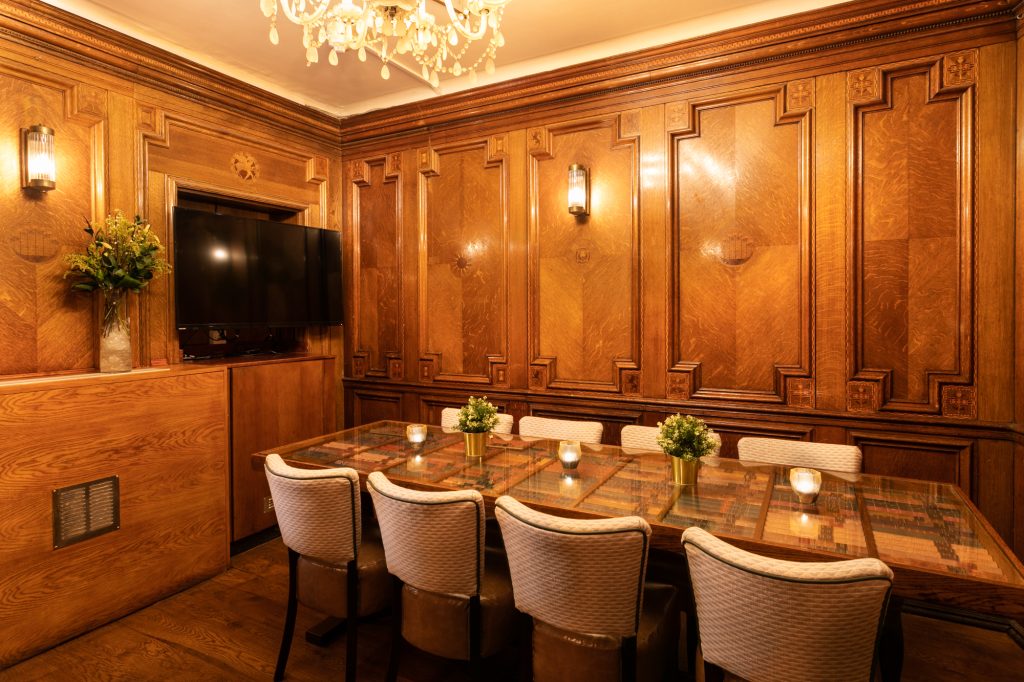
Typical range: £25–£80+ per person depending on location, size, and demand.
Some venues offer per-person packages, where guests pay a fixed amount per attendee. These packages often include drinks, food, or a set time window, and are commonly used for corporate events, dining-focused bookings, Christmas parties and pre-set offers.
Pros: Very easy for guests to understand and budget, provides predictable revenue for the venue, and works well for events with a defined guest list.
Cons: Less flexible if attendance changes, it can limit how much revenue you make if guests would otherwise spend more and requires careful package design to stay profitable.
Per-person pricing shifts the focus toward predictability. The venue controls revenue in advance based on confirmed attendance, which reduces uncertainty and simplifies planning. This model works best when guest numbers are known ahead of time and the experience can be clearly packaged without relying on open-ended bar spend.
There’s no single “best” pricing model. Many successful pubs use a combination of minimum spend, hire fees, and per-person packages, selecting the approach that best fits the space, the event type, and the time of booking.
List your venue on Tagvenue
More visibility. Quality leads. Pay per booking. Venue-first approach.
Popular Pub Bar Pricing in London, According to Tagvenue Data
While every pub is different, London pub pricing tends to fall into a few clear ranges.
Local Pubs
- Minimum spend: £300–£600
- Often located outside central zones (Zones 2 through 9)
- Smaller private areas or semi-private spaces
- Popular for birthdays, leaving drinks, and casual gatherings. Check out some examples: The Clock Tower at Teatro Hall, Wine Room at The Great North Wood, Function Space at Three Compasses Hornsey.
Mid-Range Pubs
- Minimum spend: £600–£1,000
- Well-connected neighbourhoods (Camden Town, Shoreditch, King’s Cross, Marylebone & Fitzrovia)
- Private rooms or dedicated bar areas
- High after-work and weekend demand
Central & High-Demand Pubs
- Minimum spend: £1,000–£2,000+
- Central London or high-footfall areas (Islington & Angel, Brixton, Clapham & Battersea, Blackstock Road)
- Larger capacities, private bars, premium fit-outs
- Common for corporate events, launches, and Christmas parties
These ranges aren’t random. They reflect demand, location, and opportunity cost.
For pubs, private hire pricing is closely tied to what you would realistically earn from regular trade during the same time slot. A Friday evening in a busy area comes with a high opportunity cost, and every table given to a private event replaces walk-in customers. Higher minimum spends help offset that lost revenue.
In quieter locations or during off-peak times, the opportunity cost is lower, which is why more flexible pricing often leads to better overall returns.
CTA:Underbooked venue? Transform it with Tagvenue
Amplified online presence. Intent-focused traffic. Earn-based fees. Priority listing in searches.
Get listed free
Does Location Affect Pricing?
Yes. Two pubs with similar capacities can charge very different prices based largely on their location. For example, the Bartender’s Table at 68 & Shanghai (Commercial Street) and the Snug at The Half Moon (Herne Hill) offer nearly the same guest capacity and a very similar style, yet the price difference between them can be as much as £900, based largely on location.
Central London:
Pubs in central areas can charge more because:
- Demand is consistently high
- Corporate bookings are common
- Weekend trade is harder to give up
- Some central London pubs have started automatically applying an optional service charge to all food and drinks bills
Higher minimum spends compensate for the revenue you’d otherwise make from walk-ins.
Outer London & Residential Areas
Pubs in outer London and residential neighbourhoods often play a different role in their communities. These are places where regulars know the staff, and where birthdays, anniversaries, quiz nights, and informal celebrations are commonly held.
Because footfall is more predictable and community-driven, pricing here tends to be more flexible. Minimum spends are usually lower, making these venues particularly attractive for private social events that value atmosphere and familiarity over prestige, so you can expect prices to be around £300–£700.
Guests are often choosing these pubs not just for price, but for comfort, accessibility, and the feeling that the venue already “fits” their event, which strongly influences what they’re willing to spend.
Location, Event Needs, and Your Crowd
Different events have different needs. A live concert or ticketed event may benefit from a central location that draws larger crowds. A team-building session or workshop might work better in a quieter, more accessible neighbourhood where guests can focus and arrive easily.
- Convenience, transport links, accessibility, and the type of audience you attract all influence what guests are willing to pay, and should be factored into how you price your space.
- Know your crowd and consider who currently books your space and who you want to attract. Once that‘s clear, pricing decisions become much easier.
From a venue manager’s perspective, guest type and event format directly influence both pricing and expectations.
Corporate bookings usually value structure, clarity, and convenience, which often supports higher minimum spends or per-person pricing. Social events like birthdays tend to be more price-sensitive but generate longer stays and stronger bar spend.
Event format also matters operationally: ticketed or performance-led events often justify higher pricing due to added coordination, while informal gatherings rely more on attendance and duration when considering the pricing.
Other Factors that Influence Pub Pricing
Location matters, but it’s not the only factor guests are paying for. Successful pub bars price their spaces based on how the venue performs operationally, not just where it’s located.
Capacity and Layout
Larger spaces naturally justify higher minimum spends, not just because more people drink more, but because:
- Staffing requirements increase
- Stock planning becomes more complex
- Service expectations are higher
Event spaces in pubs and bars come in many different sizes, from small private rooms to full-venue hires. Capacity isn’t just about how many people fit in the space; it also depends on layout, staffing needs, and how much of the venue is given exclusively to one group.
Below is a general benchmark for independently owned pub bars in London, based on typical minimum spend pricing on Tagvenue (January 2026):
| Capacity | Typical Setup | Expected Minimum Spend |
| 20-60 guests (Small) | Private room or semi-private area | £300–£500 |
| 60-90 guests (Medium) | Dedicated bar area or large private room | £500–£900 |
| 110+ (Large) | Full-venue hire or multiple connected spaces | £1,000–£1,500+ |
The venue capacity isn’t the only thing that matters; the layout is also super important. For example, a private room with its own bar or clear separation from the main space can command a higher price than an open or semi-private area of the pub.
Here are the most popular types of layouts:
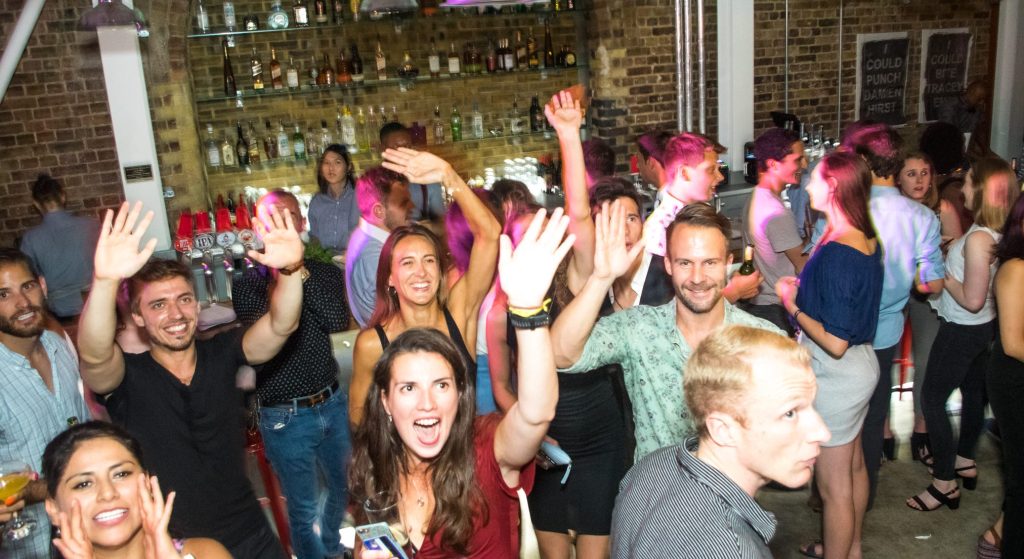
Standing:
Standing layouts are by far the most popular for pub events. They’re great for drinks receptions, birthday parties, after-work gatherings, and casual networking events.
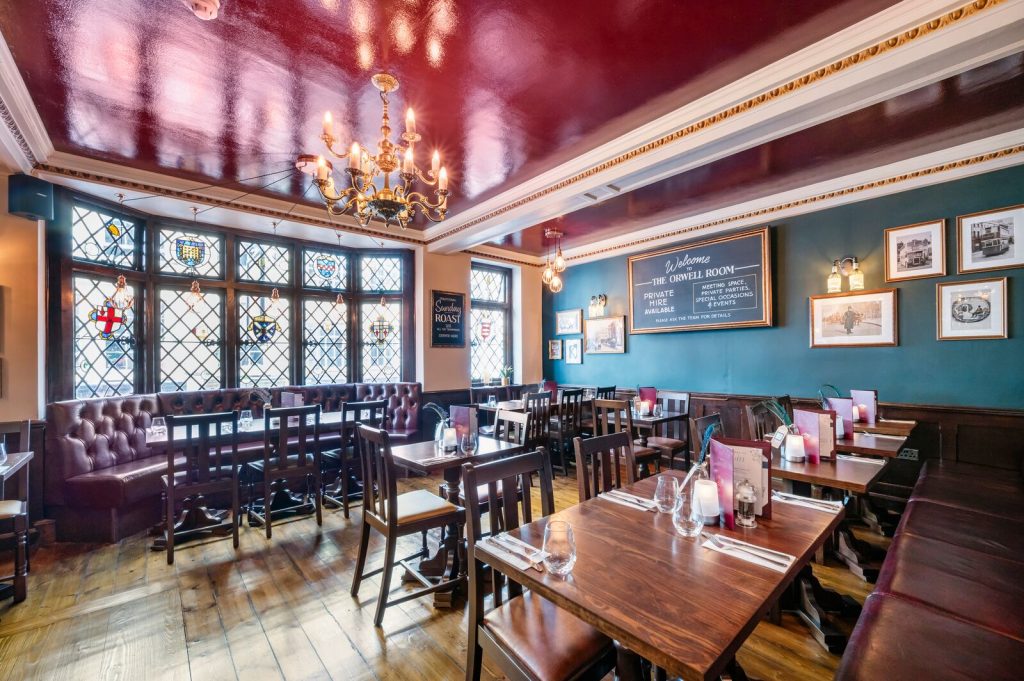
Seating:
Seating layouts are standard for more relaxed or mixed-format events. They’re great for informal celebrations, social gatherings with older guests, and events that mix drinks with conversation.
Dining:

Dining layouts are popular when pubs offer high-quality food options. They’re great for sit-down meals, celebrations with pre-ordered menus, and corporate dinners in gastropubs.
Guests don’t just choose venues differently, they spend differently.
- Corporate groups often have higher budgets and shorter timeframes, which supports higher minimum spends or fixed per-person pricing.
- Social groups may arrive earlier, stay longer, and generate stronger cumulative bar spend, even if their upfront budget is lower.
Understanding how each audience type translates into total revenue helps you price for earning potential, not just event suitability.
Exclusivity and Venue Control
Exclusivity has a direct impact on pricing. Fully private spaces or full-venue hires should be priced higher because:
- Walk-in trade is restricted
- Staff focus shifts entirely to one group
- The venue takes on greater operational responsibility
Guests are paying for control, privacy, and the ability to shape the experience, not just square footage. It is all about that VIP experience!
Peak vs Off-Peak Times
Time is one of the most powerful pricing levers available to pubs. Many successful venues set:
- Lower minimum spends for weekday evenings or afternoons
- Higher minimum spends for Fridays, Saturdays, and peak seasonal dates
This approach increases utilisation during quieter periods while protecting revenue during high-demand times.
Seasonal Demand
Seasonality plays a major role in London pub pricing. Periods like November and December often justify significantly higher minimum spends due to:
- Corporate Christmas parties
- End-of-year celebrations
- Increased competition for dates
Adjusting your pricing seasonally helps you capture demand when it’s strongest, rather than leaving revenue on the table.
Join venue managers doubling their revenue with Tagvenue
Gain massive exposure. Attract ready-to-book clients. Flexible pay-per-booking model. We prioritize your venue over our fees.
Using Event Packages to Increase Revenue
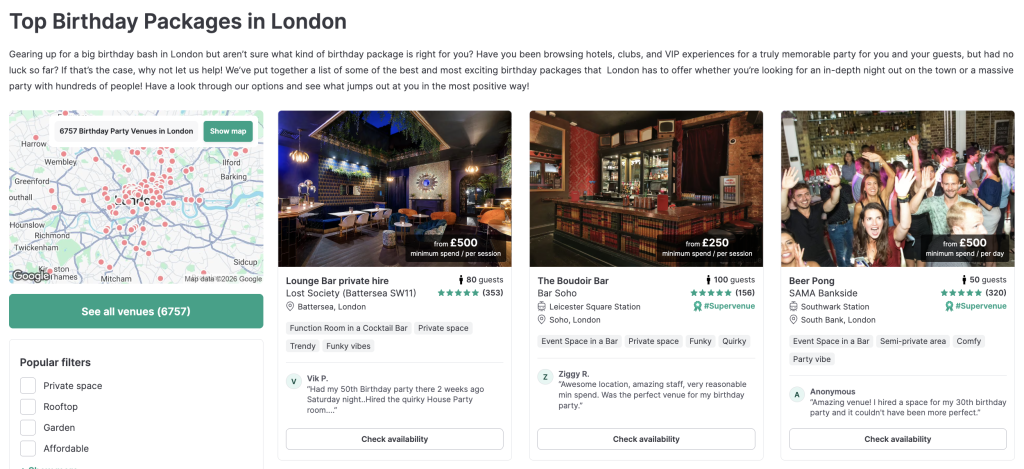
Image source: Tagvenue
Beyond minimum spend pricing, many pubs increase both revenue and bookings on Tagvenue by offering fixed-price event packages for popular occasions.
Event packages work best when they reflect how different audiences plan and spend. Social events like birthdays tend to favour simple, drinks-led offers that reduce uncertainty and encourage longer stays, while corporate and seasonal events usually come with clearer expectations around structure, timing, and inclusions, which supports higher pricing.
Designing packages around these differences helps venues increase revenue without adding unnecessary operational complexity, and guests perceive them as a clear, good-value deal, while venue managers benefit from predictable revenue and better operational planning. Here are some examples:
Birthday Packages
Birthday parties are one of the most common private events hosted in pubs, and birthday packages often include:
- A fixed price for a set number of guests
- Drinks packages or bar credit
- Optional food elements (sharing platters, buffet-style menus)
- Reserved or private space for a defined time window
From a pricing perspective, birthday packages:
- Reduce back-and-forth enquiries
- Set clear expectations for guests
- Encourage higher overall spend than an open-ended minimum
Because guests are celebrating, they are often more willing to commit to a package that feels “all taken care of” rather than calculating spend on the night.
Christmas & Seasonal Packages
Christmas is one of the most competitive and profitable periods for pubs in London. Fixed Christmas packages are particularly effective because demand is time-limited, guests are actively comparing offers, and simplicity often wins over flexibility.
Christmas packages typically bundle:
- Drinks allocations
- Festive food menus
- Guaranteed space during peak dates
For venue managers, these packages:
- Lock in revenue early
- Reduce the risk of underperforming minimum spends
- Help prioritise high-value bookings during limited availability
Guests, on the other hand, see these offers as a clear opportunity, a defined price, a festive experience, and no last-minute surprises. When designed well, packages don’t replace minimum spend pricing; they complement it. Many successful pubs offer both, using packages strategically for high-demand event types while keeping flexible pricing for everything else.
So, if you regularly host birthdays, Christmas parties, or other repeat event types, creating tailored packages is one of the most effective ways to increase average booking value, improve conversion rates, and make your venue easier to choose. From an operational and commercial standpoint, packages help turn demand spikes into predictable, profitable bookings, which is exactly what smart pricing strategies aim to achieve.
A Simple Way to Set Your Own Price
If you’re unsure where to begin, a good pricing foundation combines cost awareness with market reality. Start by understanding your cost of goods sold (COGS), the real costs of drinks, mixers, and garnishes, and aim for an industry-standard pour cost of 20–25%. This ensures your pricing leaves room for staffing, overheads, and profit.
Next, look outward. Compare your pricing with similar pubs in your area, taking into account your target audience and the experience you offer. A casual neighbourhood pub will price differently from a premium cocktail bar, and that’s expected. Tools that let you view comparable venues make this step significantly easier and more accurate.
Finally, review and adjust. Monitor how your pricing performs over time. If bookings come easily, your pricing may be too low; if enquiries stall, it may need rethinking. Pricing works best when it’s treated as a living strategy, not a one-time decision.
Final Thought: Pricing is not Guesswork
Rather than guessing, successful pub bars approach private hire pricing like any other revenue stream, using demand, capacity, opportunity cost, and booking performance to guide their rates.
Platforms like Tagvenue make this easier by showing you how similar venues price their spaces, so you can position yourself competitively without undervaluing your pub.
If you price realistically and communicate clearly, guests will understand and book with confidence.
Boost your booking rate – list your venue on Tagvenue today!
Boost visibility to thousands of event planners. Get qualified leads that convert. Only pay when you earn. Your success is our priority.